The Benefits and Uses of Capatch Strips in Flexographic Printing
In the world of flexographic printing, maintaining optimal anilox roller performance is crucial to achieving consistent print quality. One of the most effective tools for monitoring anilox volume and ensuring proper ink transfer is the Capatch strip. This simple yet powerful tool provides a quick and reliable way to measure the volume of anilox cells, helping printers maintain efficiency, reduce waste, and improve overall print quality. In this article, we will explore the benefits and various applications of Capatch strips in flexographic printing.
Understanding Capatch Strips
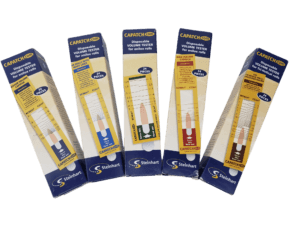
Capatch strips are disposable, self-adhesive test strips designed to measure the volume of anilox rollers in flexographic printing presses. These strips use a paste that spreads into the anilox cells, creating an imprint that indicates the roller’s volume. The measurement is then compared to a reference scale to determine the actual cell volume. This simple test provides valuable insights into the condition of the anilox roller without requiring complex or expensive equipment.
Benefits of Using Capatch Strips

- Quick and Easy Measurement
One of the primary benefits of Capatch strips is their ease of use. Unlike traditional methods of measuring anilox volume, which often require specialized equipment and extensive downtime, Capatch strips provide a fast and straightforward alternative. Operators can conduct tests in just a few minutes, allowing them to quickly assess the roller’s condition and take necessary corrective actions.
- Cost-Effective Maintenance Tool
Maintaining anilox rollers can be expensive, particularly when issues are not detected early. Capatch strips offer a cost-effective solution by allowing printers to monitor roller health regularly. By detecting changes in cell volume early, printers can schedule proper cleaning and maintenance, reducing the need for costly roller replacements.
- Reduces Ink and Material Waste
Proper ink transfer is essential for achieving consistent print results. Anilox rollers with reduced cell volume may cause insufficient ink laydown, leading to poor print quality and increased waste. By using Capatch strips to monitor roller performance, printers can optimize ink usage and reduce material waste, leading to improved cost efficiency and sustainability.
- Improves Print Consistency and Quality
Consistent anilox cell volume is essential for uniform ink distribution. Variations in cell volume can result in color inconsistencies, uneven ink laydown, and print defects. Regular testing with Capatch strips helps ensure that rollers maintain the required volume, leading to more consistent and high-quality prints.
- Enhances Predictive Maintenance
Instead of relying on reactive maintenance, where issues are addressed only after they become problematic, Capatch strips enable a proactive approach. By regularly testing anilox rollers, operators can predict when maintenance is needed, preventing costly downtime and unexpected press failures.
- User-Friendly and Non-Invasive
Capatch strips are designed to be used directly on the roller without requiring removal or extensive handling. This non-invasive testing method allows for quick assessments without disrupting production schedules. Additionally, their user-friendly design makes them accessible to all levels of press operators.
Applications of Capatch Strips in Flexographic Printing

- Routine Anilox Roller Monitoring
Capatch strips are an excellent tool for routine anilox roller checks. Regular monitoring ensures that rollers are performing optimally, preventing ink transfer issues before they affect production.
- Quality Control in Print Production
Ensuring consistent ink coverage and color reproduction is critical in flexographic printing. Capatch strips provide a reliable way to verify anilox cell volume, allowing printers to maintain stringent quality control standards.
- Optimizing Ink Usage
By accurately measuring anilox volume, printers can adjust ink formulations and usage, reducing excess ink consumption and improving efficiency. This is particularly beneficial in large-scale printing operations where ink costs can be significant.
- Training and Education
Capatch strips are also valuable for training new press operators. By demonstrating how anilox volume affects print quality, these strips help operators understand the importance of roller maintenance and ink management.
- Troubleshooting Print Defects
When print defects occur, determining the root cause is crucial. Capatch strips can help identify whether anilox roller issues are contributing to problems such as inconsistent color, streaks, or poor ink coverage. This allows for quicker troubleshooting and resolution.
- Extending Anilox Roller Lifespan
Proper maintenance extends the life of anilox rollers. By using Capatch strips to detect early signs of wear, printers can implement preventive measures that prolong roller lifespan and reduce replacement costs.
How to Use Capatch Strips Effectively
Using Capatch strips correctly is essential for obtaining accurate measurements. Here’s a step-by-step guide:
Prepare the Roller: Ensure that the anilox roller is clean and dry before applying the Capatch strip.
Apply the Strip: Peel off the adhesive backing and press the strip firmly onto the roller surface.
Spread the Paste: Activate the paste by applying pressure, allowing it to flow into the anilox cells.
Remove the Strip: Carefully peel off the strip and allow the imprint to develop.
Compare with the Reference Scale: Match the imprint with the provided reference guide to determine the roller’s volume.
Record and Act: Keep track of the results and take necessary maintenance actions if the volume is outside the acceptable range.
Conclusion
Capatch strips offer a simple yet highly effective solution for monitoring anilox roller performance in flexographic printing. Their ease of use, cost-effectiveness, and ability to reduce waste make them an invaluable tool for printers looking to maintain high-quality prints and optimize their production processes. By incorporating regular Capatch testing into maintenance routines, print shops can enhance efficiency, improve print consistency, and extend the lifespan of their anilox rollers.
For any printing operation aiming for superior quality and cost savings, Capatch strips are a must-have tool in the arsenal of flexographic maintenance and quality control.