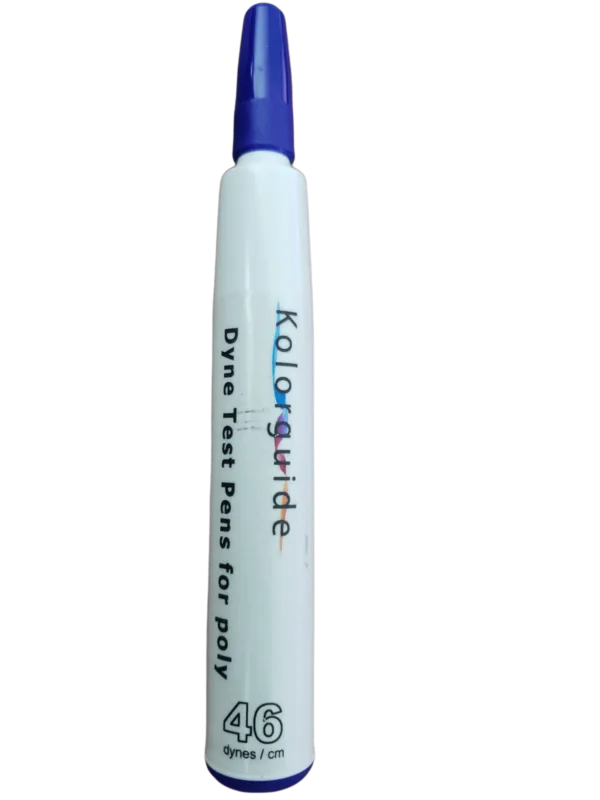
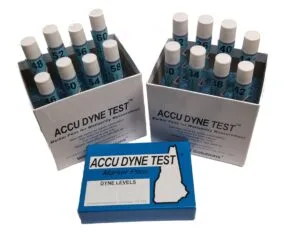
Surface energy measurement is a critical parameter in many industrial processes, from printing and coating to adhesion and bonding. Dyne test pens offer a precise, convenient method for quantifying this important property. This guide explains the scientific principles behind these remarkable tools while providing practical instructions for optimal results.
Understanding Surface Energy
At the molecular level, surface energy represents the excess energy present at the interface between a solid material and its surrounding environment. This property directly influences how liquids will interact with the surface—determining whether they will adhere properly or repel. Dyne test pens leverage this principle through carefully formulated solutions that respond predictably to specific surface energy thresholds.
Step-by-Step Application Protocol
1. Select the Appropriate Dyne Level Pen
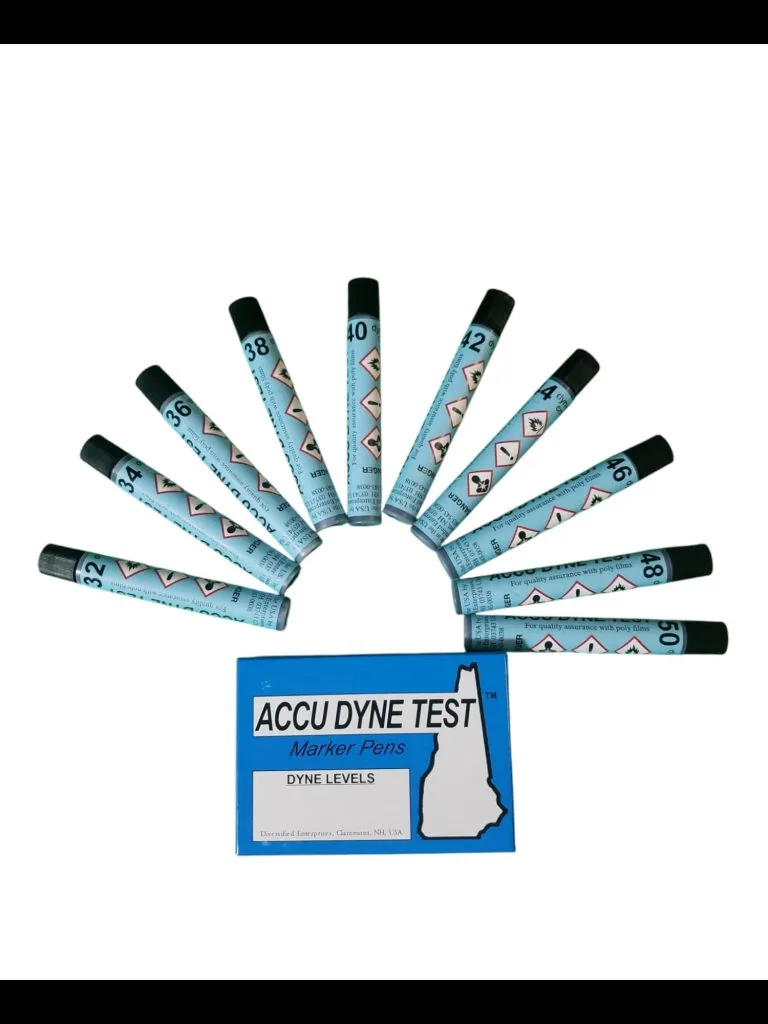
Dyne test pens are calibrated to specific surface tension values, typically ranging from 30 to 60 dynes/cm. Choose a pen that aligns with your expected surface energy requirements. The precision of these instruments relies on their carefully formulated solutions that maintain consistent surface tension properties.
2. Surface Preparation
Thoroughly clean the test surface to eliminate contaminants such as oils, dust particles, or processing residues. Even microscopic contaminants can significantly alter surface energy measurements, potentially leading to misleading results. For optimal accuracy, consider using an appropriate solvent that evaporates completely without leaving residues.
3. Application Technique
Uncap the dyne test pen and apply the specialized solution to the material surface using consistent pressure and speed. Create a continuous line approximately 1-2 inches in length. The formulated liquid contains precisely calibrated surfactants and solvents that will interact with the surface according to fundamental principles of wetting dynamics.
4. Observation and Analysis
Monitor the liquid behavior for 2-3 seconds after application. Two distinct outcomes may occur:
- Beading/Retraction: If the liquid contracts into separate droplets or retracts from its original application area, the surface energy is lower than the dyne level of the pen.
- Spreading/Wetting: If the liquid maintains a continuous film and spreads evenly across the surface, the surface energy is equal to or higher than the dyne level of the pen.
5. Result Documentation
Document the dyne level of the first pen that demonstrates complete wetting of the surface for at least 2 seconds. This value represents the surface energy measurement in dynes/cm (or mN/m). For enhanced precision, confirm your results by testing with pens of incrementally higher and lower values.
Environmental Considerations
For maximum accuracy, conduct testing under controlled environmental conditions:
- Ambient temperature: 20-25°C (68-77°F)
- Relative humidity: 50-60%
- Minimize air currents that could accelerate evaporation
- Allow test materials to acclimate to the testing environment
Scientific Applications
Dyne test pens provide valuable data for numerous industrial applications:
- Predicting adhesion success in printing processes
- Verifying corona or plasma treatment effectiveness
- Quality control in manufacturing processes
- Research and development of new surface treatments
- Troubleshooting adhesion failures in production environments
By understanding both the science and application of dyne test pens, professionals can make informed decisions about surface treatments and process parameters, ultimately leading to superior product quality and manufacturing efficiency.
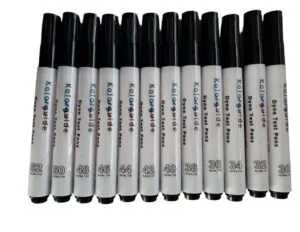
Dyne Test Pens Kit 30-52
Original price was: $99.00.$74.25Current price is: $74.25.