Best Surface Treatment Methods for Industry in 2025
Surface treatment methods are at the heart of a technological transformation across multiple industries. Over 65% of manufacturers plan to invest in smart coatings and nanotechnology-based treatments by 2025. These technologies are dramatically improving durability, efficiency, and material performance.
Key Surface Treatment Technologies
Thermal Spraying Technologies
These treatments allow for the application of functional coatings to metallic and non-metallic surfaces. Notable applications include:
- Antibacterial coatings
- Superhydrophobic surfaces
- Self-healing layers
These technologies offer superior protection and performance by forming bonded layers through molten or semi-molten particles applied at high velocity.
Plasma Surface Modification Techniques
Plasma-based techniques, such as double glow plasma metallurgy, allow surface-level atomic modification. Key benefits include:
- Increased hardness and wear resistance
- Improved corrosion protection
- Formation of alloyed layers without altering the core material
These techniques are especially useful for high-performance applications like electronics and medical devices.
Emerging High-Precision Treatment Approaches
The latest surface treatment methods focus on molecular-level alterations and environmentally conscious processes. They feature:
- Extreme modification precision
- Minimal material removal
- Low ecological impact
These methods include laser-based processes, nanotechnology, and functional coatings designed for smart performance.
Industrial Applications and Benefits
Surface treatment technologies help industries transform standard materials into high-performance solutions. Key sectors and their benefits include:
| Industry | Key Benefits | Typical Applications |
|---|---|---|
| Aerospace | Thermal protection, corrosion resistance, weight reduction | Aircraft components, turbine parts |
| Automotive | Friction reduction, increased durability | Engine parts, transmission systems |
| Electronics | Miniaturization, environmental protection, better conductivity | Circuit boards, microchips |
| Medical Devices | Biocompatibility, antimicrobial properties | Implants, surgical tools |
| Manufacturing | Lower maintenance, improved functionality and appearance | Tools, machinery components |
How to Select the Right Treatment Method
Choosing the appropriate method involves assessing both technical and economic factors:
- Material compatibility
- Functional performance needs
- Application and operating costs
- Environmental considerations
Comparison chart:
| Method | Precision | Material Compatibility | Environmental Impact | Durability |
|---|---|---|---|---|
| Thermal Spraying | Medium | Medium | Moderate | High |
| Plasma Treatments | High | Medium-High | Low | High |
| Chemical Treatments | Low-Medium | High | Variable | Medium-High |
| Nanotechnology-Based | Very High | Medium | Low | Very High |
A thorough evaluation, including prototyping and cost-benefit analysis, is key to identifying the best-fit solution for your industry.
Trends to Watch in 2025
The surface treatment field is evolving rapidly. Here are some of the most relevant trends:
Smart self-healing coatings: These can detect and repair microscopic damage automatically, reducing downtime and maintenance costs.
Sustainable surface treatments: Water-based coatings, biodegradable agents, and energy-efficient processes are replacing traditional chemical options.
Nanotechnology applications: Programmable surface properties and molecular-level control allow materials to adapt to environmental conditions with precision.
These advancements are making surface treatment an essential tool for sectors like aerospace, advanced manufacturing, and medical engineering.
Frequently Asked Questions
What are the key surface treatment methods for 2025?
The leading methods include thermal spraying, plasma surface modification, and nanotechnology-driven precision techniques.
How do thermal spray technologies enhance material properties?
They provide functional coatings that offer antibacterial, moisture-resistant, and mechanical damage protection—boosting component lifespan and performance.
Why is nanotechnology important in surface treatments?
It allows precise control of electrical, thermal, and mechanical surface properties, tailored to the specific demands of each industrial application.
What should be considered when selecting a treatment method?
Material compatibility, functional goals, sustainability, total cost, and the method’s adaptability to future requirements.
Advanced Solutions for the Graphics and Printing Industry
If you work in printing, packaging, or industrial design, these new surface treatment technologies can help reduce waste, improve quality, and meet growing market demands. At Kolorguide, we offer solutions aligned with these trends. Visit kolorguide.com to explore how to implement them into your production process.

Dyne Test Pens Kit 30-52
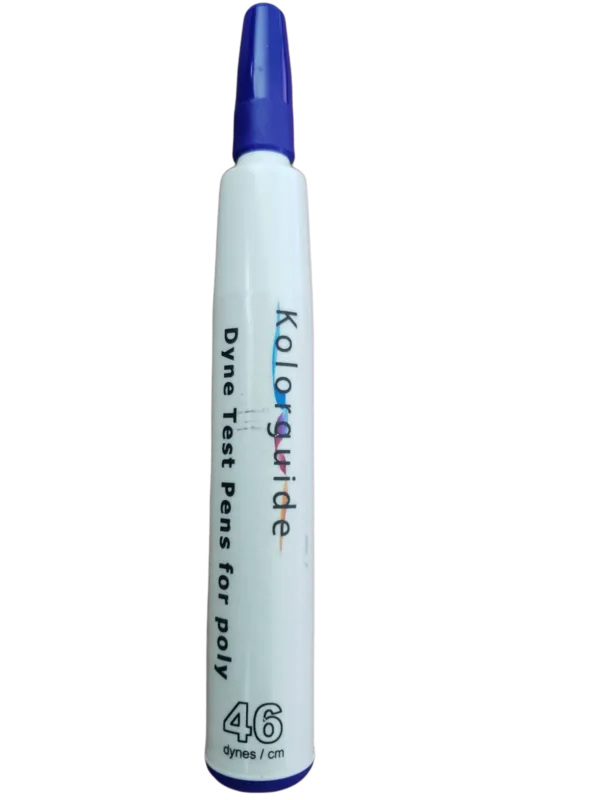
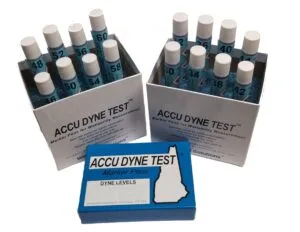
Accu Dyne Test Pens 30–72 dynes/cm | ISO 8296 | Fast US Shipping