Color theory is more than just a guide for artists. When it comes to the world of printing and industrial design, it shapes the way products look, feel, and stand out in a crowded market. Think about this. CMYK color models are so precise that they can produce millions of shades just by layering cyan, magenta, yellow, and black. Most people assume staying on trend means just picking the right swatch, but the real competitive edge comes from mastering the technical science behind each shade. That’s where the future of design is heading.
Table of Contents
- Understanding The Basics Of Color Theory
- Color Mixing And Color Models Explained
- Color Theory Applications In Industrial Sectors
- Latest Color Trends For Printing And Manufacturing
Quick Summary
| Takeaway | Explanation |
|---|---|
| Understand primary and secondary colors | Familiarity with primary colors enables effective color mixing, essential for accurate design and printing. |
| Utilize CMYK and RGB models appropriately | CMYK applies to print while RGB is used for digital displays; understanding their differences is crucial in industrial applications. |
| Master color management for quality control | Precise color management ensures consistency across products, impacting brand perception in manufacturing sectors. |
| Stay updated on emerging color trends | Awareness of current color trends aids in innovative design, aligning products with market preferences and consumer expectations. |
| Leverage technology in color reproduction | Advancements like AI and nanostructure printing improve accuracy and sustainability in color applications across industries. |
Understanding the Basics of Color Theory
Color theory serves as the fundamental framework that guides how professionals in printing, design, and manufacturing understand and manipulate color. At its core, color theory explains how humans perceive color and how different colors interact with one another. Learn more about color communication strategies to enhance professional interactions in color-critical industries.
The Color Wheel: Foundation of Color Relationships
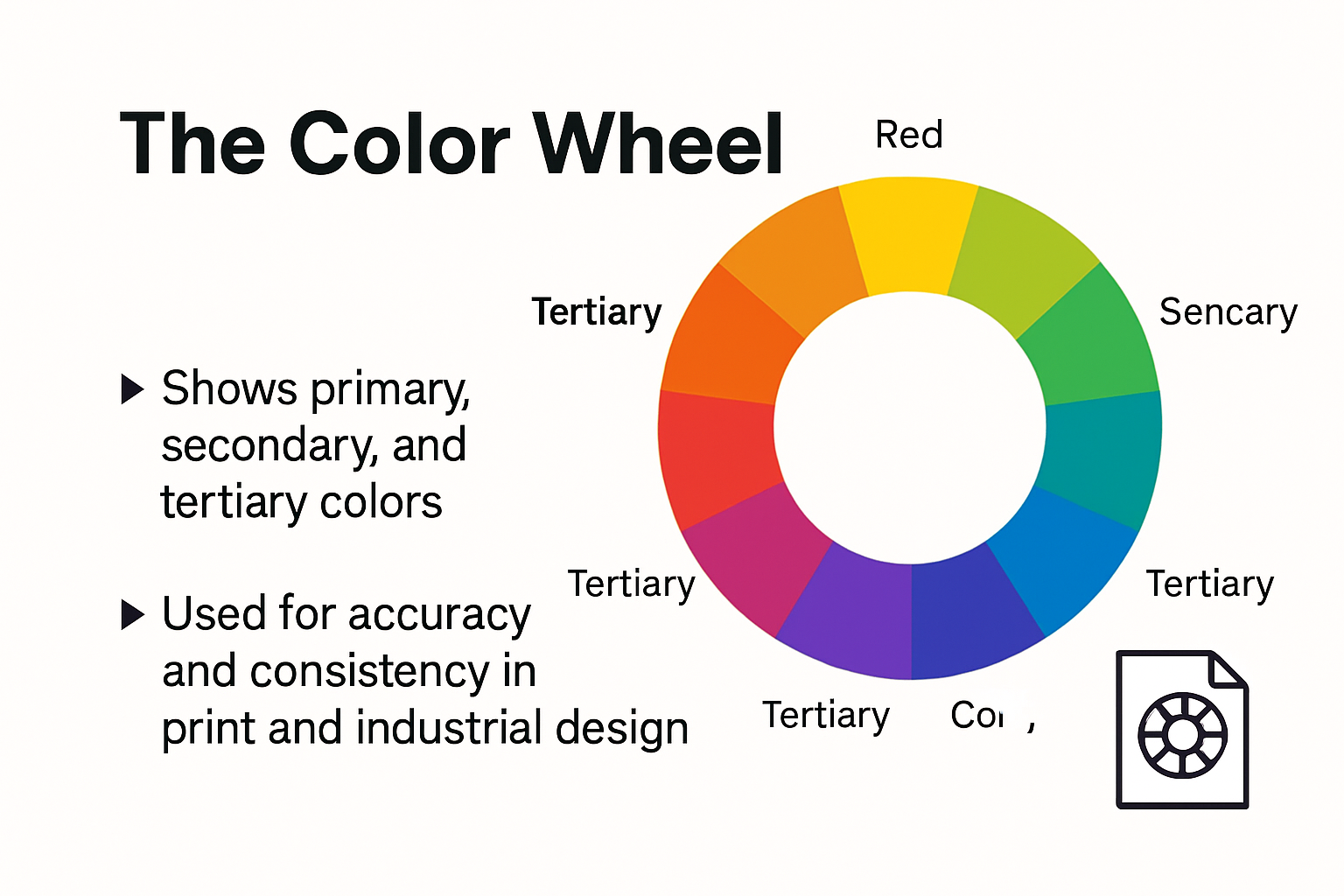
The color wheel represents the primary organizational tool for understanding color relationships. According to the Defense Information School, the color wheel systematically arranges colors to demonstrate their visual connections. Primary colors – red, blue, and yellow – form the fundamental building blocks from which all other colors are derived. Secondary colors emerge by mixing two primary colors: green (blue + yellow), orange (red + yellow), and purple (red + blue). Tertiary colors further expand this palette by combining primary and secondary colors, creating nuanced hues that provide depth and complexity to visual designs.
To help clarify the relationship between primary, secondary, and tertiary colors as described above, here’s a summary table outlining their formation:
| Color Type | Example Colors | How They’re Formed |
|---|---|---|
| Primary | Red, Blue, Yellow | Cannot be created by mixing other colors |
| Secondary | Green, Orange, Purple | Mix two primary colors |
| Tertiary | Red-Orange, Blue-Green, Yellow-Green, etc. | Mix a primary and a secondary color |
Color Models in Industrial Applications
In printing and manufacturing, understanding different color models becomes crucial for accurate color reproduction. The Open Oregon Digital Foundations textbook highlights two primary color models: CMYK and RGB. The CMYK (Cyan, Magenta, Yellow, Key/Black) model is fundamental in printing, utilizing a subtractive color process where inks are combined to create a wide spectrum of colors. Each color is produced by reducing specific wavelengths of light reflected from a white surface. Conversely, the RGB (Red, Green, Blue) model used in digital displays employs an additive color process, where different intensities of light are combined to generate colors.
Understanding color properties such as hue, saturation, and value becomes essential for professionals across various industries. Hue represents the pure color itself, saturation indicates the color’s intensity, and value describes its lightness or darkness. These attributes allow designers, printers, and manufacturers to communicate precise color specifications and reproduce consistent results across different mediums and production processes.
Color theory transcends mere aesthetic considerations – it is a critical technical discipline that impacts everything from packaging design to electronic display manufacturing. By mastering these fundamental principles, professionals can ensure color accuracy, communicate effectively, and create visually compelling products that meet rigorous industry standards.
Color Mixing and Color Models Explained
Color mixing represents a complex and precise scientific process critical to printing, manufacturing, and digital design industries. Understanding how colors interact and reproduce across different mediums requires mastery of specific color models and mixing techniques. Explore professional color communication strategies to enhance technical precision in color reproduction.
Additive and Subtractive Color Models
Two primary color models dominate professional color reproduction: additive (RGB) and subtractive (CMYK) systems. According to Arizona State University’s design resources, color reproduction requires sophisticated color separation techniques that translate original images into precise color components. The RGB model used in digital displays creates colors by combining red, green, and blue light at varying intensities. When these primary colors are mixed at full intensity, they produce white light. Conversely, the CMYK model utilized in printing operates through a subtractive process where cyan, magenta, yellow, and black inks reduce light wavelengths to create color impressions.
To summarize the differences between the RGB and CMYK color models as used in industrial applications, see the table below:
| Color Model | Application Area | Type of Mixing | Primary Colors | Result of Mixing All Primaries |
|---|---|---|---|---|
| RGB | Digital Displays | Additive | Red, Green, Blue | White |
| CMYK | Printing/Physical Media | Subtractive | Cyan, Magenta, Yellow, Black | Black (or near black) |
Technical Principles of Color Separation
Professional color reproduction demands intricate understanding of color separation principles. LibreTexts research demonstrates that color models use primary color combinations to generate expansive color spectrums. In printing, each color is mathematically calculated by reducing specific light wavelengths reflected from surfaces. This process involves precise measurements of color intensity, saturation, and value to ensure accurate representation across different media.
The complexity of color mixing extends beyond simple visual perception. Industrial applications require extremely precise color reproduction techniques that account for material properties, lighting conditions, and substrate characteristics. Professionals must understand how different color models translate between digital screens and physical printed materials, ensuring consistent color representation across diverse production environments.
Mastering color mixing is not merely an artistic skill but a technical discipline demanding scientific precision. By comprehending the intricate relationships between light, pigments, and color models, professionals can achieve remarkable color accuracy in printing, manufacturing, and digital design industries.
Color Theory Applications in Industrial Sectors
Color theory extends far beyond aesthetic considerations, serving as a critical technical discipline across numerous industrial sectors. From manufacturing to technology, precise color management has become an essential component of quality control and product development. Discover innovative color productivity strategies that transform industrial processes.
Precision Color Management in Manufacturing
According to the National Academies Press, advanced color management is fundamental to modern manufacturing industries. Sectors such as textiles, plastics, packaging, and automotive manufacturing rely on sophisticated color theory principles to ensure consistent product quality and meet stringent consumer expectations. The ability to reproduce colors with extreme accuracy becomes crucial in industries where visual consistency directly impacts brand perception and product performance.
Standardization and Measurement Protocols
The National Institute of Standards and Technology emphasizes the critical role of standardized color measurement protocols across industrial applications. These protocols enable manufacturers to establish precise color specifications that can be consistently reproduced across different production environments, materials, and manufacturing processes. Color measurement techniques involve sophisticated spectrophotometric analysis that quantifies color characteristics beyond simple visual perception, capturing nuanced variations in hue, saturation, and luminosity.
Industrial color applications extend into highly specialized domains such as electronics, where color consistency in components can impact performance and reliability. In the automotive industry, color theory influences everything from paint finish consistency to interior design elements. Electronics manufacturers use precise color matching to ensure uniformity in display technologies, circuit board components, and user interface designs.
The pharmaceutical and medical device industries similarly rely on color theory for critical applications. Precise color identification helps in medication identification, medical equipment design, and ensuring product safety through consistent visual differentiation. Color standardization in these sectors is not merely aesthetic but a crucial element of patient safety and regulatory compliance.
As technological advancements continue to push the boundaries of color reproduction, industrial sectors increasingly recognize color theory as a sophisticated scientific discipline. By understanding and implementing advanced color management techniques, industries can achieve unprecedented levels of precision, consistency, and quality across diverse manufacturing processes.
Latest Color Trends for Printing and Manufacturing
Color trends in printing and manufacturing are rapidly evolving, driven by technological innovations, sustainability demands, and shifting aesthetic preferences. These transformative trends are reshaping how industries approach color design and reproduction. Explore emerging color strategies that are revolutionizing industrial color applications.
Emerging Color Palettes and Design Philosophies
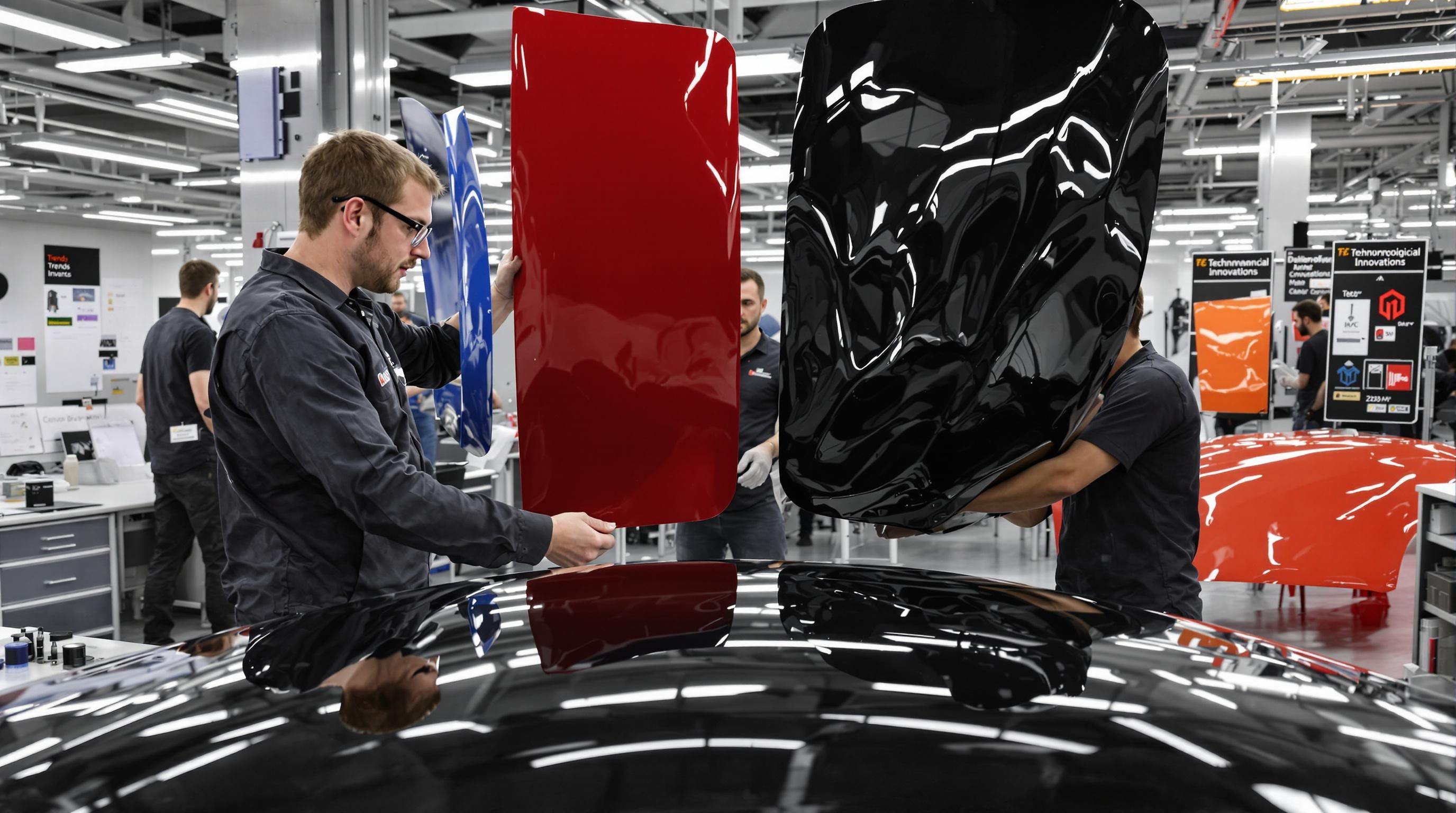
According to BASF’s 2024-2025 Automotive Color Trends, the current color landscape is characterized by bold, technologically inspired palettes. The ‘ROUTING’ collection introduces intense purple-reds, dynamic blacks with complex color effects, and sophisticated metallics that reflect a growing emphasis on technological sophistication and visual complexity. These color trends move beyond traditional design approaches, integrating functional aesthetics with advanced material science.
Technological Innovations in Color Reproduction
The MRS Communications research highlights groundbreaking developments in printable structural colors. Researchers are exploring nanostructure self-assembly techniques that enable high-resolution, durable color printing across various industrial applications. These innovations promise more sustainable and precise color reproduction methods, particularly in sectors like electronics, automotive design, and advanced manufacturing.
Graphic design and color trend analyses reveal a significant shift towards more expressive and meaningful color selections. The emergence of ‘Mocha Mousse’ as a pivotal color demonstrates a move towards sophisticated, earthy tones that communicate depth and environmental consciousness. Primary colors are experiencing a renaissance, with designers embracing bold, saturated hues that communicate clarity and intentionality.
The integration of artificial intelligence in color design processes is transforming how industries approach color selection and reproduction. AI-driven color analysis enables more precise predictions of color trends, allowing manufacturers to anticipate market preferences with unprecedented accuracy. This technological convergence is creating a more dynamic, responsive approach to industrial color management.
As we move further into 2025, color trends are increasingly defined by their ability to communicate complexity, sustainability, and technological advancement. Industries are no longer viewing color as a purely aesthetic element but as a strategic tool for brand communication, user experience, and technological innovation. The future of color in printing and manufacturing lies at the intersection of advanced material science, digital technology, and nuanced design philosophy.
Frequently Asked Questions
What is color theory and why is it important in printing and industry?
Color theory is the study of how colors interact and how they can be used effectively in design and printing. It is important in printing and industry because it helps ensure accurate color reproduction, brand consistency, and enhanced visual appeal in products.
What are the main color models used in printing?
The primary color models used in printing are CMYK (Cyan, Magenta, Yellow, Key/Black) and RGB (Red, Green, Blue). CMYK is used for physical media due to its subtractive color mixing process, while RGB is suited for digital displays using an additive color mixing process.
How does color mixing work in different color models?
In additive color models like RGB, colors are created by combining different intensities of red, green, and blue light. In subtractive models like CMYK, colors are formed by layering inks that absorb certain wavelengths of light, resulting in the colors seen in printed materials.
What are the latest color trends for printing and manufacturing in 2025?
The latest color trends for 2025 include bold palettes inspired by technology, such as intense purple-reds and complex metallics. Additionally, there is a trend towards earthy tones and the integration of AI in color design to enhance precision and predict market preferences.
Transform Color Theory Into Production Excellence
Are you frustrated by color inconsistency or technical gaps that slow your printing and design workflow? In the article above, you learned how mastering CMYK and RGB models, color separation, and emerging color trends are critical for keeping your products fresh and your brand ahead. Yet, moving from color theory to real-world application often exposes problems like mismatched shades, poor quality control, and missed trend opportunities. Your goals—achieve precision, efficiency, and standout visuals—demand practical tools and expert guidance that go well beyond textbook concepts.

Ready to make color accuracy your competitive edge? Start with our professional printing solutions for the design and graphic arts industry. Whether you need better color management, innovative supplies, or trend-driven products, our team at Kolor Guide helps you bridge the gap between theory and production. Visit us today to discover resources designed for real industry challenges. Let us help you master every shade and deliver consistent quality in every print. Act now and redefine how your products are seen.
Recommended
- La importancia de la economía circular y omnicanal – kolorguide
- Cómo lograr el color PANTONE® del año 2020 en bienes duraderos y electrónica de consumo – kolorguide
- UPDATING YOUR PANTONE GUIDES CAN SAVE YOU VALUABLE PRODUCTION TIME AND MONEY! – kolorguide
- … so my correct Pantone color guide is … – kolorguide
- 2025 Guide to Window Tint Colour Options for Industry Pros – AEONCUT PPF Pre-cut Cutting software
- Choosing Blinds Colors: A Simple Guide for 2025 – Urban Studio Designs
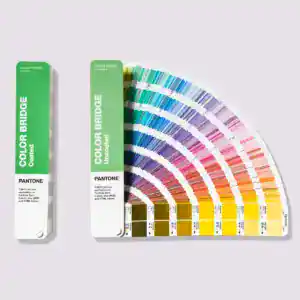
Pantone Color Bridge Set | Coated & Uncoated GP6102B
Original price was: $436.00.$428.00Current price is: $428.00.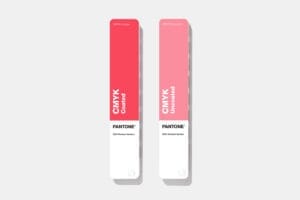
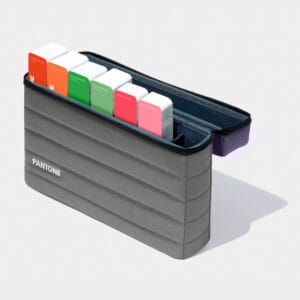

Pantone Portable Guide Studio GPG304B By Kolorguide
Original price was: $1,079.00.$944.99Current price is: $944.99.