


ACCU DYNE TEST™ Pens & Sets | Same-Day Shipping & Support
Original price was: $98.40.$91.51Current price is: $91.51.
Technical support before and after purchase—from selecting the correct dyne levels to interpreting test results and replacing individual pens.
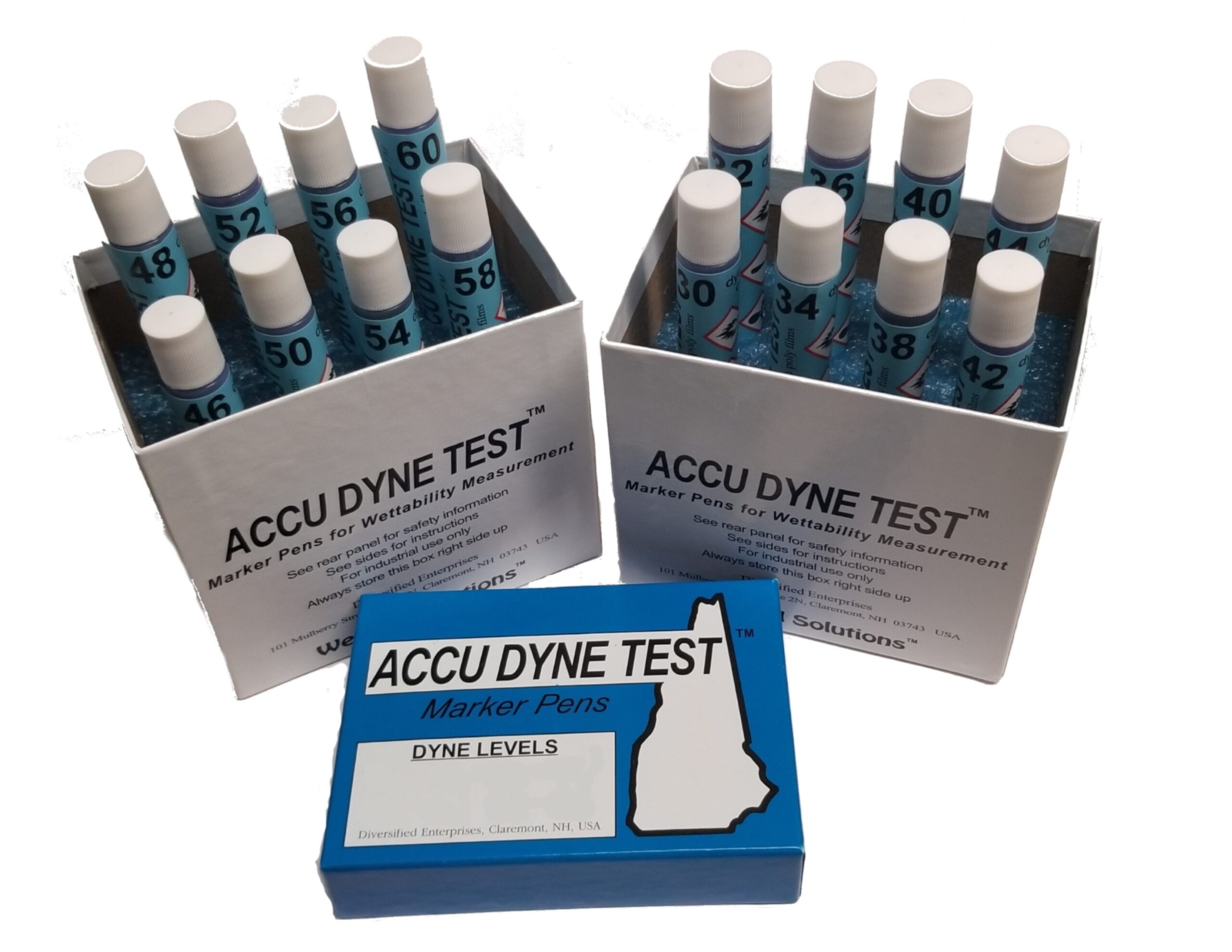
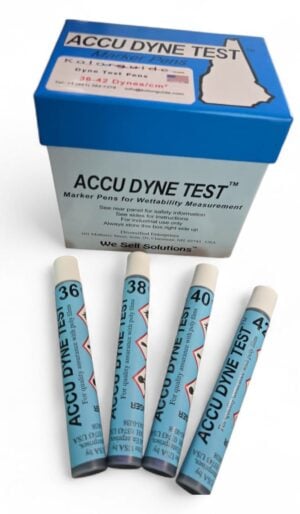
The Accu Dyne Test Pens 30–52 Dynes Core Range Set is designed for routine surface energy verification on untreated and lightly treated films and plastics. Manufactured with 100% reagent-grade solutions, this 12-unit kit provides fast, reliable adhesion testing for printing, coating, and laminating operations.
ACCU DYNE TEST™ Pens, Sets and Individual Dyne Levels
Choose Core, Full or Extended ACCU DYNE TEST™ pen sets, or order individual dyne levels for replacement and process control. Same-day dispatch, fast U.S. delivery and practical technical guidance from Kolorguide
Product Overview: The Industry Standard for Surface Energy Testing
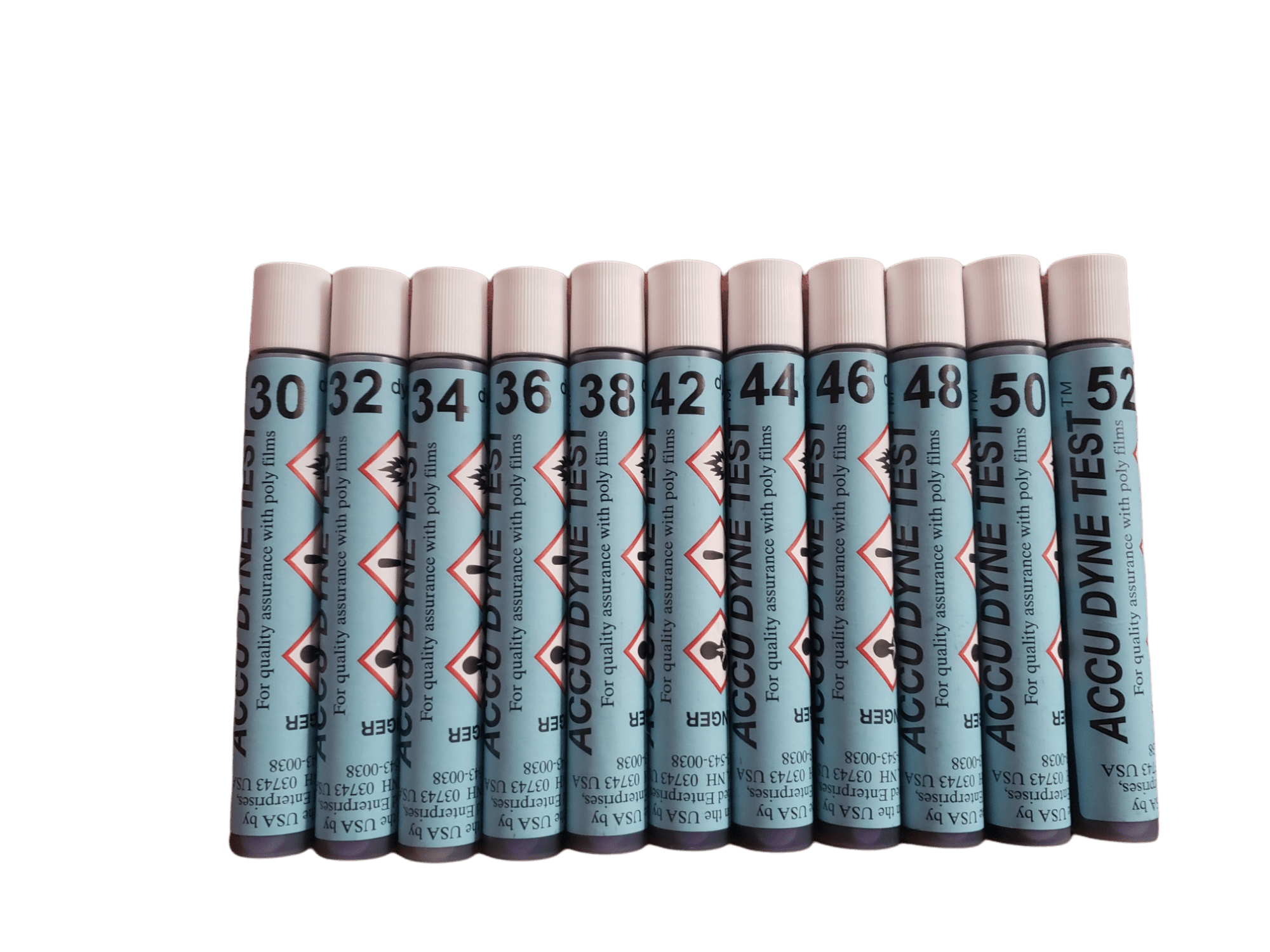
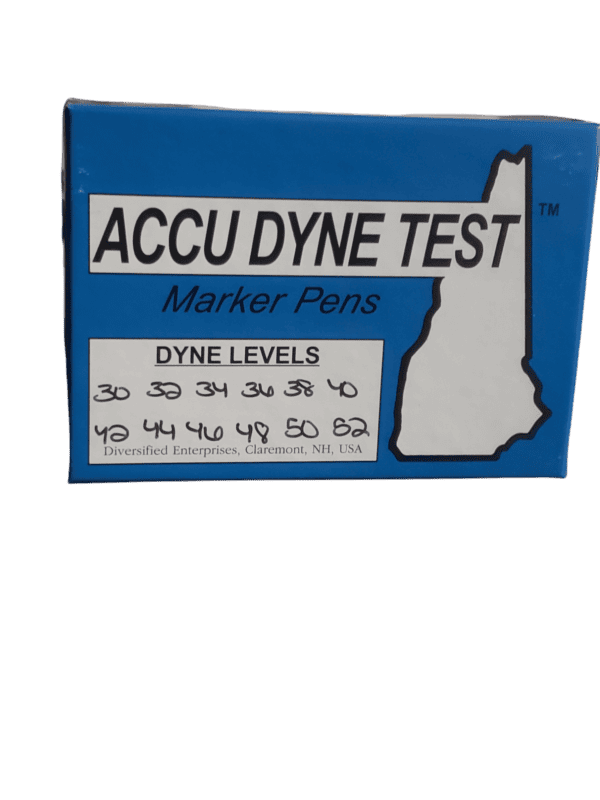
The Accu Dyne Test Pens Kit 30-52 represents the most practical and cost-effective solution for quality control professionals in printing, coating, and laminating operations. This 12-pen set covers the critical dyne range from 30 to 52 dynes/cm in even increments (30, 32, 34, 36, 38, 40, 42, 44, 46, 48, 50, 52), providing precise surface energy measurements for most industrial applications.
Unlike basic surface tension testing methods, these marker pens feature genuine Accu Dyne reagent-grade testing fluids formulated to meet ISO 8296 standards. The spring-loaded valve tip technology prevents contamination and ensures accuracy test after test, making them the preferred choice for manufacturers who cannot afford adhesion failures in production.
This kit is specifically designed for professionals who need reliable, repeatable results when evaluating corona treatment effectiveness, plasma treatment quality, or flame treatment success on polymer substrates including polyethylene, polypropylene, PET, and other plastic films.
How Accu Dyne Test Pens Work: The Valve Tip Advantage
Patented Valve Tip Technology
The Accu Dyne Test Pen system employs a revolutionary valve tip applicator that fundamentally changes how surface energy testing is performed. Traditional wicking-style pens allow contaminants from tested surfaces to migrate back into the fluid reservoir, degrading accuracy over time.
The valve tip design solves this critical problem. When you press the pen firmly onto your substrate, a spring-loaded valve opens, allowing fresh testing fluid to flood the tip. This action flushes away any contaminants collected during previous tests, ensuring each measurement is as accurate as the first.
The Testing Process
When the test fluid contacts your substrate surface, one of two outcomes occurs:
PASS (Surface Energy ≥ Dyne Level): The fluid forms a continuous, uniform film that remains stable for at least 2-3 seconds. This indicates your substrate’s surface energy meets or exceeds the pen’s dyne level, confirming adequate treatment for printing, coating, or adhesive bonding.
FAIL (Surface Energy < Dyne Level): The fluid immediately retracts into droplets or beads within 1-2 seconds. This indicates insufficient surface energy and predicts adhesion failure if you proceed with production.
By testing with ascending or descending dyne levels, you can pinpoint your substrate’s exact surface energy value, typically within ±2 dynes/cm accuracy.
Applications: Who Needs the 30-52 Dyne Range?
Flexographic and Gravure Printing
The 30-52 range is specifically engineered for flexible packaging converters. Untreated polyethylene typically measures 30-32 dynes/cm—too low for reliable ink adhesion. After corona treatment, most flexible packaging applications require:
- Standard quality printing: 38-40 dynes/cm minimum
- High-quality graphics: 40-44 dynes/cm
- Critical adhesion (lamination): 42-46 dynes/cm
This kit allows you to verify treatment effectiveness before committing to production runs that could result in costly ink adhesion failures or delamination.
Label Stock Manufacturing
Label converters use this dyne range to verify film treatment before coating adhesives or printing. Labels that fail to maintain ink adhesion or adhesive bond strength often trace back to inadequate surface preparation—a problem easily prevented with proper dyne testing.
Coating Operations
Whether applying barrier coatings, primer layers, or functional coatings to plastic films, coating adhesion depends entirely on surface energy. The 30-52 kit covers the sweet spot for most coating applications, allowing operators to confirm treatment before coating application.
Quality Control and Incoming Inspection
Many manufacturers now require suppliers to provide surface energy certifications. This kit enables receiving departments to verify that incoming film rolls meet specified dyne levels before releasing materials to production, preventing downstream adhesion problems.
Technical Specifications and Features
Kit Contents
- 12 marker pens: Even dyne levels from 30 through 52 dynes/cm (30, 32, 34, 36, 38, 40, 42, 44, 46, 48, 50, 52)
- Reagent-grade formulations: 100% pure materials, no fillers or extenders
- ISO 8296 compliant: Meets international standards for surface tension measurement
- GHS-compliant packaging: Ready-to-use setup box with safety documentation
- Certificate of Formulation: Provided with every order for QC documentation
Performance Characteristics
- Tests per pen: Hundreds of tests from each marker under normal use
- Shelf life: 6 months for critical quality control applications; 12 months standard
- Accuracy: ±2 dynes/cm when used according to manufacturer specifications
- Substrate compatibility: All smooth, non-absorptive surfaces including PE, PP, PET, PVC, PS, nylon, and treated metals
Valve Tip Advantages
- Contamination prevention: Spring-loaded valve isolates fluid reservoir from test surface
- Consistent fluid metering: Controlled dispensing ensures uniform test application
- Extended accuracy: Maintains precision throughout pen lifetime
- Fast testing: No priming or preparation required between tests
Traceability & Documentation Support
Visible lot number on each unit
Expiration date clearly marked
Production traceability in case of investigation
Documentation available upon request
Frequently Asked Questions
Q: How do I determine which dyne level I need for my application?
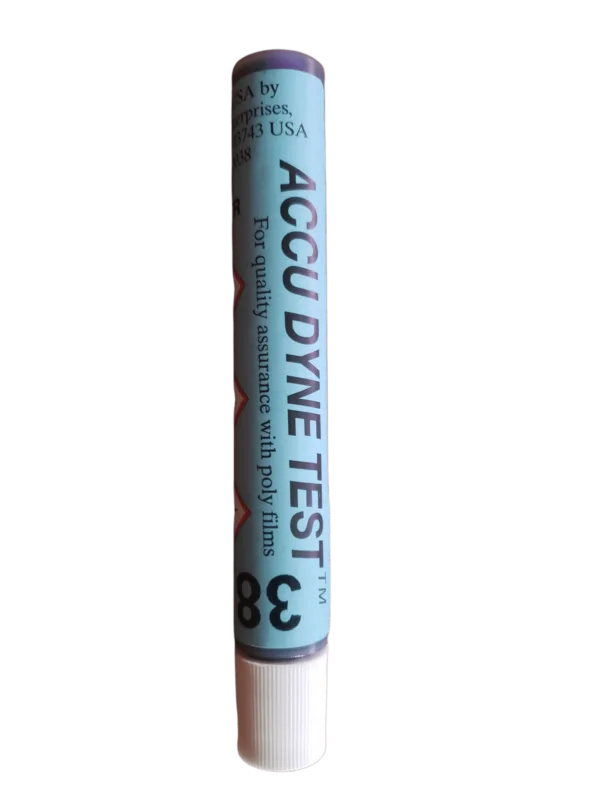
A: Start by testing with the 38 dyne pen—the industry standard for most printing applications. If the fluid beads up, your surface energy is too low and requires treatment. If it forms a stable film, test with progressively higher levels (40, 42, 44) until you find the highest level where the film remains stable for 2-3 seconds. That value represents your surface energy.
Q: How long can I store these pens before they expire?
A: Store pens in their original packaging at room temperature (60-75°F) away from direct sunlight. For critical quality control applications, replace pens every 6 months. For general production testing, 12-month shelf life is acceptable when stored properly. Always date pens when opened.
Q: Why does the test fluid sometimes give inconsistent results?
A: Inconsistent results typically stem from: (1) Contaminated test surface—oils from hands, release agents, or dust; (2) Testing the same spot twice—always test fresh areas; (3) Temperature variation—store and use pens at consistent room temperature; (4) Expired or improperly stored pens.
Q: Can I use this kit on textured or porous surfaces?
A: No. Dyne test pens are designed exclusively for smooth, non-absorptive substrates. Textured or porous materials absorb the test fluid, making results meaningless. For such surfaces, consult alternative testing methods like contact angle measurement.
Q: What’s the difference between this kit and the 30-60 or 30-72 sets?
A: The 30-52 kit (12 pens) covers the most commonly used dyne range for flexible packaging and film printing at an economical price point. The 30-60 kit (16 pens) extends to higher dyne levels needed for some rigid plastics and specialty applications. The 30-72 kit (22 pens) provides maximum range for laboratories and applications requiring high dyne levels (metal treatment verification, glass bonding, aerospace applications).
Q: How many tests can I perform with each pen?
A: Under typical usage, each pen delivers several hundred tests. Exact count varies with application technique—drawing long lines consumes more fluid than brief test spots. For critical quality control, monitor test line uniformity. When lines become inconsistent or faint, replace the pen regardless of age.
Q: Do these pens work for verifying flame treatment?
A: Yes. While primarily used for corona treatment verification, dyne pens work equally well for flame treatment and plasma treatment verification. The testing principle remains identical—you’re measuring surface energy regardless of how it was achieved.
Best Practices for Accurate Testing
Surface Preparation
- Never touch the test area with bare hands—skin oils contaminate surfaces
- Test on fresh, clean material sections
- Avoid testing near edges or areas with visible defects
- Allow treated material to stabilize 10-15 seconds before testing
Testing Technique
- Hold pen perpendicular to surface
- Apply firm, consistent pressure to open valve
- Draw a smooth line 1-2 inches long
- Observe for exactly 2-3 seconds
- Test multiple locations on each sample for consistency
Storage and Maintenance
- Store pens horizontally in original packaging
- Keep away from heat sources and direct sunlight
- Replace caps immediately after use
- Mark opening date on each pen
- Maintain temperature-controlled storage (60-75°F)
Why Choose Kolorguide as Your Authorized Distributor
As the largest online seller of Accu Dyne test pens with over 250 five-star reviews on Amazon, Kolorguide provides:
- Genuine Accu Dyne products: Factory-authorized distributor
- Certificate of Formulation: Included with every order for your QC documentation
- Expert technical support: Speak with professionals who understand surface energy testing
- Fast dispatch: In-stock orders ship the same or next business day.
- Guaranteed 2-business-day delivery: Every ACCU DYNE TEST™ order ships via UPS 2nd Day Air at no additional cost within the continental United States.
- Competitive pricing: Volume discounts available for repeat customers
Related Resources
Learn more about optimizing your surface treatment and testing processes:
- Complete Guide to Dyne Test Pens – Comprehensive technical guide to surface energy testing
- 5 Signs Your Corona Treatment Isn’t Working – Troubleshoot common treatment problems
- How to Use Dyne Test Pens: Step-by-Step Guide – Detailed testing procedures
Shop related products:
- Accu Dyne Full Set 30-60 (16 Units) – Extended range for demanding applications
- Accu Dyne Extended Set 30-72 (22 Units) – Maximum range for laboratory and specialty use
- 38 Dyne Test Pen (4 units) – Industry standard level for replacement or testing
.
| Weight | .5 lbs |
|---|---|
| Dimensions | 7 × 5 × 5 in |
Only logged in customers who have purchased this product may leave a review.

Related products
99 in stock
990 in stock
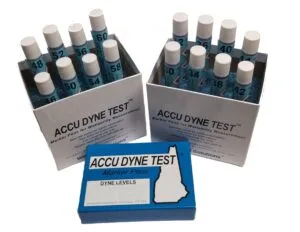
Accu Dyne Test Pens 30–60 Dynes | Full Range Surface Energy Testing
Original price was: $108.80.$99.90Current price is: $99.90. Add to cart983 in stock
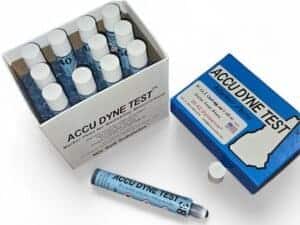

Buy Accu Dyne Test Pens – Selectable Range 30 to 72 Dynes
$19.00 Select options This product has multiple variants. The options may be chosen on the product page
Adhesive Bonding: Materials, Applications and Technology
Original price was: $300.00.$258.50Current price is: $258.50. Add to cart

Kolorguide Dyne Test Pens Kit (30-52)
Original price was: $99.00.$74.25Current price is: $74.25. Add to cart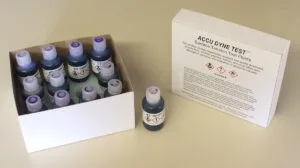
1000 in stock
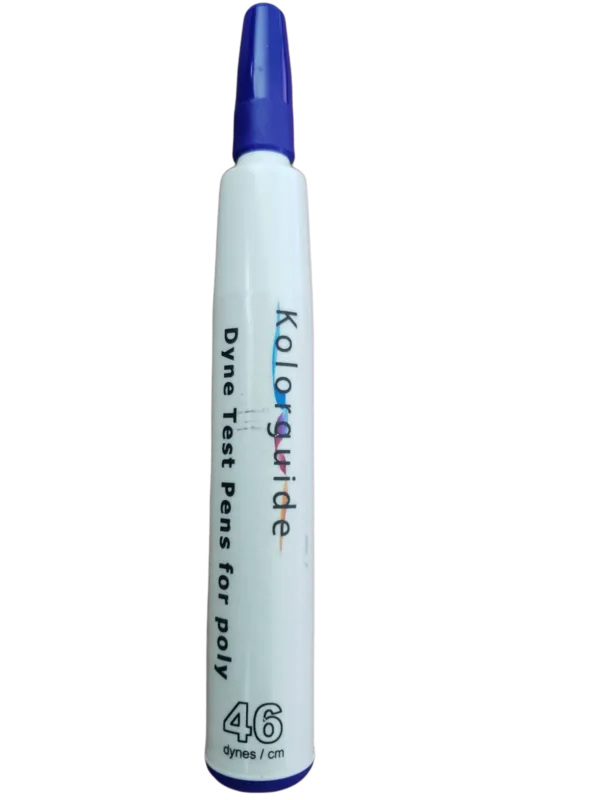
Dyne Test Pens – Professional Surface Energy Testing Tool for Production Environments
$9.00 Select options This product has multiple variants. The options may be chosen on the product page

Reviews
There are no reviews yet.