No products in the cart.
Return To Shop
Graphic Design Trends 2025 for Packaging and Industry Leaders
Graphic design trends for packaging is taking a wild leap in 2025. Designers are now using AI not just to speed things up, but to craft intricate patterns that simply would not be possible by hand. But hold on. Even with all the futuristic tech powering this shift, the boldest change is happening on a totally different front. The real standout is that eco-friendly solutions like edible packaging and zero-waste systems are turning the entire industry upside down. Brands are swapping clever graphics for biodegradable beauty and minimalist designs that mean you might actually eat your next snack wrap instead of trashing it.
 Below is a summary table that compares the core characteristics and advantages of the three main emerging graphic design trends discussed: AI Enhanced, Parametric/Modular, and Abstract Semantic Patterns.
 Technological advancements are enabling graphic designers to integrate sustainability with cutting-edge functionality. A breakthrough study introduces a battery-free, stretchable smart packaging system that combines ecological consciousness with advanced monitoring capabilities. This innovation represents a paradigm shift where packaging becomes an active participant in product preservation and environmental responsibility.Graphic designers are now creating visual systems that complement these technological innovations. Design elements are being developed to highlight the smart features of packaging, using visual cues that demonstrate the product’s eco-friendly capabilities. The graphics become an integral part of the packaging’s functional narrative, showing how design can communicate complex sustainability features.
 Why wait to pivot your production toward the future? See how you can leverage the tools and materials that set brands apart in this new era of design. Visit Kolor Guide for industry-leading solutions you can implement right now. For more on digital design tools and trends that power innovation, check out our expert tips on must-have design tools and dive into the rise of digital textile printing. Start shaping packaging and graphics that make an impact today.
Table of Contents
- Emerging Graphic Design Styles In 2025
- Sustainability And Eco-Friendly Design Trends
- Digital Innovation Impacting Industrial Graphics
- Adapting Trends For Packaging And Manufacturing
Quick Summary
| Takeaway | Explanation |
|---|---|
| AI drives innovative graphic design | Designers are leveraging AI to enhance creativity and produce complex designs, making workflows more efficient and adaptive. |
| Focus on sustainability in packaging | Eco-friendly design methods are crucial, with emphasis on circular economy practices that guide consumers toward responsible disposal and reuse. |
| Modular design enhances flexibility | Graphic elements are becoming modular, allowing for adaptable packaging solutions that respond to various contexts and consumer needs. |
| Digital skills are essential | Designers must acquire advanced digital competencies to navigate new tools and data-driven design approaches for packaging innovations. |
| Authentic design fosters consumer connection | Handcrafted and artisanal design elements resonate with consumers, enhancing transparency and emotional ties between brands and users. |
Emerging Graphic Design Trends Styles in 2025
Graphic design continues to evolve at an unprecedented pace, with 2025 presenting a transformative landscape that blends technological innovation and creative expression. The graphic design trends emerging this year represent a significant shift in how designers approach visual communication, particularly in packaging and industrial design.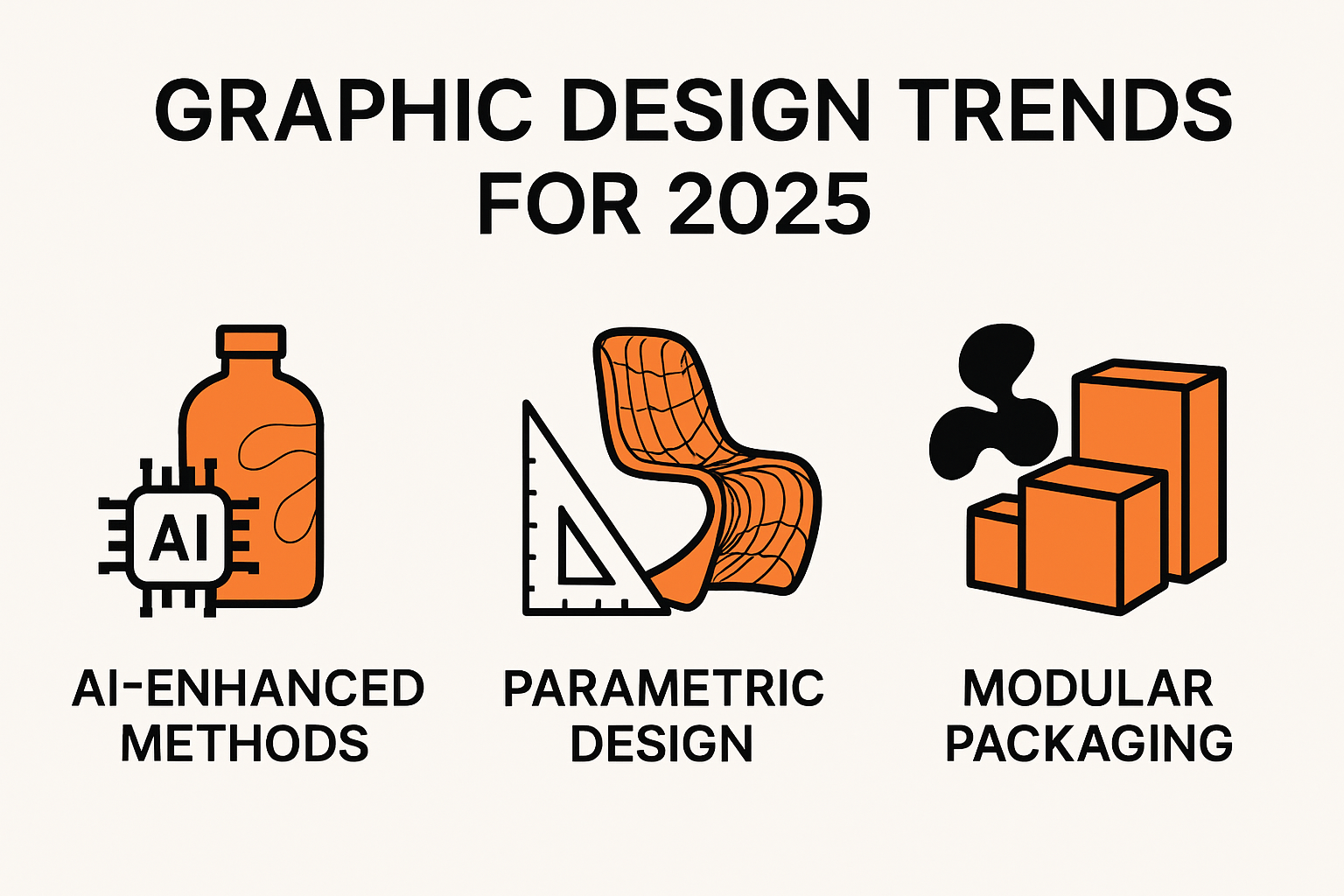 Below is a summary table that compares the core characteristics and advantages of the three main emerging graphic design trends discussed: AI Enhanced, Parametric/Modular, and Abstract Semantic Patterns.
| Style | Key Characteristics | Advantages |
|---|---|---|
| AI Enhanced Design | Uses AI as creative collaborator; generates complex and abstract patterns; provides semantic interpretations | Rapid exploration, more nuanced/sophisticated outcomes, blends human and machine strengths |
| Parametric & Modular Design | Computational, modular graphics that adapt to context and environment | Increased flexibility, responsive to needs, supports sustainable/functional packaging |
| Abstract Semantic Patterns | Semantically rich, constructs visual languages to convey values and narratives | Intellectual engagement, brand storytelling, emotional/cognitive resonance |
AI Enhanced Design Methodologies
Artificial intelligence is revolutionizing graphic design processes. A comprehensive survey on AI-driven graphic design reveals groundbreaking techniques that are reshaping creative workflows. Designers are now using AI not as a replacement for human creativity, but as an intelligent collaborator that can generate complex abstract patterns and provide semantic design interpretations. This approach allows for more nuanced and sophisticated design solutions that blend algorithmic precision with human artistic intuition.The integration of AI enables designers to explore design variations rapidly, test conceptual ideas, and generate intricate patterns that would be challenging to create manually. For instance, machine learning algorithms can now analyze existing design trends and propose innovative variations that maintain brand identity while introducing fresh visual perspectives.Parametric and Modular Design Approaches
Parametric design is gaining significant traction in 2025, particularly in packaging and industrial graphic design. Research focusing on packaging design using origami techniques demonstrates how computational design methodologies can create complex, adaptable visual systems. Designers are developing modular graphic elements that can dynamically transform based on context, product requirements, or environmental interactions.This approach allows for unprecedented flexibility in design. Graphic elements are no longer static but become responsive systems that can adapt to different platforms, packaging sizes, and brand communication needs. The modularity extends beyond visual aesthetics, incorporating functional design principles that enhance user experience and sustainable packaging solutions.Abstract Semantic Patterns
Designers are moving beyond traditional graphic representations towards more abstract and semantically rich visual languages. A structured design methodology for creating semantically-resonant abstract patterns is transforming how designers communicate complex ideas through visual means. These patterns go beyond decorative elements, serving as sophisticated communication tools that convey brand values, emotional narratives, and conceptual frameworks.The trend emphasizes creating graphic designs that are not just visually appealing but intellectually engaging. Abstract patterns are carefully constructed to trigger specific cognitive and emotional responses, making them powerful tools for brand storytelling and user engagement. Check out our guide on modern design tools to understand the technological foundations enabling these advanced design approaches.These emerging graphic design styles for 2025 demonstrate a remarkable convergence of technology, creativity, and strategic thinking. Designers are no longer just creating visual artifacts but developing intelligent, adaptive, and meaningful design ecosystems that respond dynamically to complex communication challenges.Sustainability and Eco-Friendly Design Trends
Sustainability has transformed from a peripheral concern to a central strategy in graphic design for 2025, particularly in packaging and industrial design. Designers are now reimagining visual communication through an environmental lens, creating solutions that minimize ecological impact while maximizing aesthetic and functional value.The table below summarizes the key sustainability and eco-friendly trends transforming packaging design in 2025.| Trend | Description | Example Application |
|---|---|---|
| Circular Design Principles | Designs communicate recyclability/reusability; enable responsible disposal | Visual lifecycle guides, color-coded info graphics |
| Smart Packaging Innovations | Integrates eco features with tech (e.g., battery-free, smart monitoring) | Graphics highlight smart features and eco functions |
| Biodegradable & Edible Packaging Design | Visuals celebrate natural origins; packaging may be edible or fully degradable | Organic-inspired color/typography, edible snack wraps |
| Zero-Waste/Circular Economy | Eliminates packaging waste or guides repurposing | Instructional icons showing how to reuse/dispose |
Circular Design Principles
The Sustainable Packaging Coalition’s 2025 report highlights a revolutionary approach to packaging design that prioritizes circular economy principles. Extended Producer Responsibility (EPR) laws are driving graphic designers to rethink product lifecycle visualization, creating designs that communicate recyclability, reusability, and material origins transparently.This approach goes beyond traditional sustainable design. Graphic elements now serve as visual guides for consumers, helping them understand how to properly dispose of, recycle, or repurpose packaging. Designers are developing intuitive iconography and color-coded systems that make sustainability information immediately comprehensible, transforming packaging into an educational tool.Smart Packaging Innovations
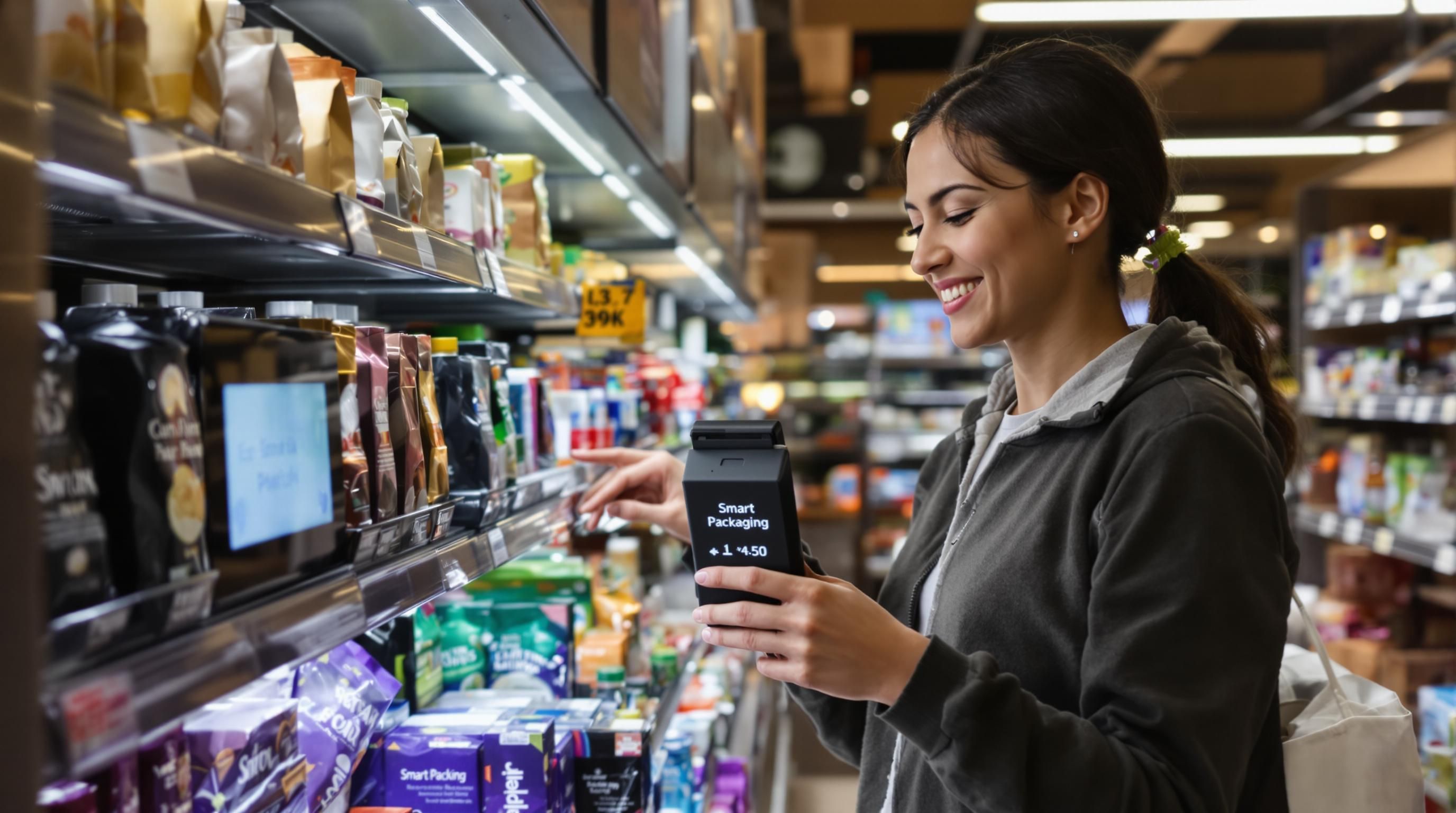 Technological advancements are enabling graphic designers to integrate sustainability with cutting-edge functionality. A breakthrough study introduces a battery-free, stretchable smart packaging system that combines ecological consciousness with advanced monitoring capabilities. This innovation represents a paradigm shift where packaging becomes an active participant in product preservation and environmental responsibility.Graphic designers are now creating visual systems that complement these technological innovations. Design elements are being developed to highlight the smart features of packaging, using visual cues that demonstrate the product’s eco-friendly capabilities. The graphics become an integral part of the packaging’s functional narrative, showing how design can communicate complex sustainability features.
Biodegradable and Edible Packaging Design
The frontier of sustainable graphic design is expanding into truly revolutionary territories. Researchers from the Indian Institute of Technology Roorkee developed edible packaging solutions using natural polymers, demonstrating how graphic design can transcend traditional material limitations. These innovations challenge designers to create visual systems that are not just environmentally friendly but potentially consumable.Graphic designers are developing visual languages that celebrate the natural origins of these packaging materials. Color palettes are drawn from organic sources, typography reflects the tactile qualities of biodegradable materials, and design layouts mimic natural patterns. Learn more about circular design principles that are driving these transformative approaches.The sustainability trends of 2025 reveal that graphic design is no longer just about aesthetic appeal. It has become a critical tool for environmental communication, product functionality, and systemic change. Designers are now environmental storytellers, using visual language to inspire more conscious consumption and highlight innovative solutions to ecological challenges.Digital Innovation Impacting Industrial Graphics
Digital technologies are radically transforming industrial graphics, creating unprecedented opportunities for design innovation and strategic communication. The intersection of advanced computational tools and creative design methodologies is reshaping how graphics are conceptualized, developed, and implemented across various industrial sectors.Big Data and Predictive Design Modeling
A groundbreaking study published in Scientific Programming reveals how big data technology is revolutionizing product packaging design. By leveraging real-time data analytics and neural style transfer models, designers can now generate highly customizable packaging graphics with remarkable precision. These advanced computational techniques enable designers to predict design success rates, reduce development cycles, and create more user-centric visual solutions.The integration of big data goes beyond traditional design approaches. Machine learning algorithms can now analyze consumer preferences, market trends, and brand performance metrics to generate graphics that are not just visually appealing but strategically optimized. This data-driven approach transforms graphic design from a purely creative discipline to a strategic business tool that can directly influence consumer engagement and brand perception.Digital Manufacturing and Visualization Technologies
A 2025 article in Innovation in Science and Technology highlights the transformative impact of digital technologies on packaging design visualization. Advanced 3D modeling software and virtual reality platforms are enabling designers to create immersive, interactive design experiences that were previously impossible. These technologies allow for rapid prototyping, real-time collaboration, and personalized design iterations that respond dynamically to customer needs.Virtual and augmented reality tools are particularly revolutionizing industrial graphics by allowing designers to simulate complex packaging designs in realistic environments. Designers can now test visual concepts, evaluate material interactions, and optimize graphic layouts with unprecedented accuracy. Learn more about digital printing technologies that are supporting these innovative visualization techniques.Digital Skills and Educational Transformation
Research from Frontiers in Mechanical Engineering emphasizes the critical role of digital skills in modern industrial design education. The study highlights how emerging designers must now bridge technology and aesthetic creativity, developing competencies in digital tools that extend far beyond traditional graphic design techniques.Universities and design institutions are rapidly updating curricula to incorporate advanced digital skills. These programs focus on teaching designers to use sophisticated software, understand data analytics, and leverage artificial intelligence in their creative processes. The goal is to produce designers who are not just visually creative but technologically sophisticated professionals capable of driving innovation across industrial graphic design.The digital innovation impacting industrial graphics represents more than a technological shift. It signifies a fundamental reimagining of how visual communication is conceived, created, and delivered. Designers are no longer just creators of static images but architects of dynamic, intelligent visual systems that can adapt, respond, and communicate across complex industrial ecosystems.Adapting Trends for Packaging and Manufacturing
The packaging and manufacturing industries are experiencing a profound transformation in 2025, driven by technological innovations, consumer expectations, and environmental consciousness. Graphic design plays a pivotal role in translating these complex requirements into visual communication strategies that resonate with both industry stakeholders and end consumers.Authenticity and Artisanal Design Approaches
According to Packaging Technology Today, there is a growing trend towards incorporating handcrafted artistry into packaging design. Designers are moving beyond digital perfection, embracing hand-drawn illustrations, tactile textures, and visual elements that convey authenticity and originality. This approach responds to consumer desires for more personalized and genuine brand experiences.Manufacturers are recognizing that packaging design is no longer just about protection and transportation but about storytelling and emotional connection. Graphic designers are creating visual narratives that highlight craftsmanship, local origins, and the human touch behind products. By integrating imperfect, organic design elements, brands can communicate transparency and build deeper consumer trust.Minimalistic and Sustainable Design Solutions
Research from GWP Group emphasizes the intensifying focus on packaging sustainability through minimalistic design principles. Manufacturers are adopting design strategies that reduce material usage, eliminate unnecessary packaging components, and prioritize eco-friendly materials. This approach not only meets regulatory requirements but also addresses growing consumer demand for environmentally responsible solutions.Graphic designers are developing visual languages that communicate sustainability without compromising aesthetic appeal. Color palettes are becoming more muted and natural, typography is more restrained, and design layouts emphasize clarity and simplicity. Explore our insights on circular economy principles to understand how these design trends contribute to broader environmental goals.Circular Economy and Zero-Waste Design
Packnode identifies the emerging ‘Leave No Trace’ trend in packaging design, which focuses on creating solutions that eliminate residual impact or actively repurpose waste materials. This approach goes beyond traditional recycling, challenging designers to reimagine packaging as a potential resource rather than a disposable item.Graphic design is crucial in communicating these circular economy principles. Designers are developing visual systems that guide consumers on how to deconstruct, reuse, or transform packaging. Iconography, color coding, and instructional graphics are becoming more sophisticated, helping users understand the complete lifecycle of packaging materials.The adaptation of graphic design trends in packaging and manufacturing represents a holistic approach to visual communication. It is no longer about creating attractive surfaces but about designing intelligent, responsive systems that balance aesthetic appeal, functional requirements, and environmental responsibility. Designers are now strategic partners in creating packaging solutions that are not just visually compelling but socially and ecologically meaningful.Frequently Asked Questions
What are the main graphic design trends for packaging in 2025?
The key graphic design trends for packaging in 2025 include AI-enhanced methodologies, parametric and modular designs, and a strong focus on abstract semantic patterns that communicate brand values.How is sustainability influencing graphic design trends in packaging?
Sustainability plays a crucial role in 2025 graphic design trends as designers prioritize eco-friendly solutions like biodegradable and edible packaging, circular economy practices, and smart packaging innovations that increase functionality while minimizing environmental impact.What role does technology play in the graphic design trends of 2025?
Technology drives significant change in graphic design for packaging, with advancements such as big data analytics for predictive modeling, digital manufacturing, and visualization technologies that facilitate rapid prototyping and enhance design precision.How can brands communicate authenticity through their packaging design?
Brands can convey authenticity by incorporating artisanal and handcrafted design elements, using hand-drawn illustrations, and focusing on storytelling through visual narratives that connect emotionally with consumers.Transform Your Packaging Design with the Latest Industry Solutions
Are you feeling the pressure to keep up with 2025’s fast-changing graphic design trends in packaging and print? If staying ahead of technology, eco-friendly demands, and adaptive visuals is on your mind, you are not alone. The article highlights the race to use AI-powered graphics, modular solutions, and sustainable packaging that stand out. Keeping your business relevant means mastering both eye-catching design and environmental responsibility. Why wait to pivot your production toward the future? See how you can leverage the tools and materials that set brands apart in this new era of design. Visit Kolor Guide for industry-leading solutions you can implement right now. For more on digital design tools and trends that power innovation, check out our expert tips on must-have design tools and dive into the rise of digital textile printing. Start shaping packaging and graphics that make an impact today.
Recommended
- La importancia de la economía circular y omnicanal – kolorguide
- PRESENTING PANTONE METALLIC COLORS FOR PRINT AND PACKAGING – kolorguide
- Cómo lograr el color PANTONE® del año 2020 en bienes duraderos y electrónica de consumo – kolorguide
- 21 herramientas de diseño gráfico sin las que no se puede vivir – kolorguide
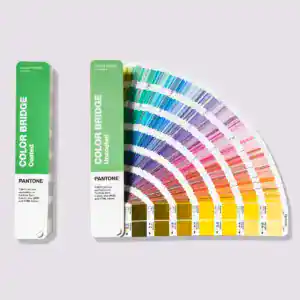
Pantone Color Bridge Set | Coated & Uncoated GP6102B
Original price was: $436.00.$428.00Current price is: $428.00.
Pantone Portable Guide Studio GPG304B By Kolorguide
Original price was: $1,079.00.$944.99Current price is: $944.99.


About author
Related posts

Explore the differences between CMYK vs RGB colors for accurate design and printing. Gain a comprehensive understanding of their applications. Continue reading

Discover the 7 best fonts for packaging that can elevate your brand image and attract customers effectively. Learn tips for each choice. Continue reading

Discover 7 key tips for enhancing sustainability in printing industry practices that professionals can implement for a greener future. Continue reading

Discover the key difference between CMYK and RGB for plastic, printing, and packaging industries. Learn how to choose the right color model for your needs. Continue reading