No products in the cart.
Return To Shop
What Is Flexographic Printing? Full Guide for 2025
Flexographic printing has quietly taken over the packaging world, showing up everywhere from crisp chip bags to glossy snack labels. It sounds simple, but this process stands out for one key reason. Nearly 1.3 million professionals now work in the printing sector, driven by flexography’s ability to deliver lightning-fast results on everything from plastic to metallic film. Most people focus on digital and offset printing, yet the real innovation is happening on flexo presses—and the most surprising part is how eco-friendly and adaptable this technology has become.
Table of Contents
- Understanding Flexographic Printing Technology
- How The Flexo Printing Process Works
- Benefits Of Flexographic Printing For Key Industries
- Comparing Flexographic Printing To Other Methods
Quick Summary
| Takeaway | Explanation |
|---|---|
| Flexographic printing enables high-quality printing on diverse substrates. | This technology excels at printing on materials like plastic and metallic films, enhancing versatility in applications. |
| Environmental benefits include reduced VOC emissions. | Flexographic printing utilizes water-based and UV-curable inks, contributing to lower environmental impact compared to traditional methods. |
| Fast production cycles enhance operational efficiency. | The high-speed setup and printing processes facilitate rapid production, allowing manufacturers to meet tight deadlines effectively. |
| Flexography adapts to a variety of industry needs. | It is utilized across sectors like packaging, pharmaceuticals, and electronics, demonstrating its cross-industry applicability. |
| Cost-effective for large volume prints. | Flexographic printing is designed for high-volume runs, reducing per-unit costs and improving competitiveness. |
Understanding Flexographic Printing Technology
Flexographic printing represents a dynamic and versatile printing technology that has revolutionized packaging and label production across multiple industries. At its core, flexography is a modern rotary printing method that enables high-speed, high-quality printing on a wide range of substrate materials.
The Fundamental Mechanics of Flexographic Printing
The process begins with a flexible printing plate, typically made from photopolymer materials, which is mounted onto a cylindrical print drum. According to OSHA’s comprehensive guide, the flexographic printing process involves three critical stages: prepress, press, and post-press operations. During printing, an anilox roll transfers a precise, controlled layer of ink onto the flexible plate, which then makes direct contact with the substrate, creating crisp and consistent impressions.
Learn more about color control techniques that enhance flexographic printing quality. This method distinguishes itself from traditional printing techniques through its ability to print on non-porous surfaces like plastic, metallic films, and cellophane with remarkable precision.
Technological Advancements and Industry Impact
Research from the University of Illinois highlights flexography’s significant industrial footprint, revealing that the printing sector employs over 1.3 million professionals and continues to evolve technologically. Modern flexographic printing has made substantial strides in environmental sustainability, particularly through the adoption of water-based and UV-curable inks that dramatically reduce volatile organic compound (VOC) emissions.
The technological sophistication of flexographic printing allows for exceptional versatility. Manufacturers can now produce intricate designs on diverse materials including food packaging, newspapers, shopping bags, and product labels. The process supports multiple ink types and can accommodate various substrate thicknesses, making it an incredibly adaptable printing solution for numerous commercial and industrial applications.
Clemson University’s research illuminates the historical progression of flexographic printing, tracing its roots to the late 19th century and documenting its transformation into a dominant printing methodology. Today, flexography represents a pinnacle of printing engineering, combining high-speed production capabilities with remarkable graphic reproduction quality.
How the Flexo Printing Process Works
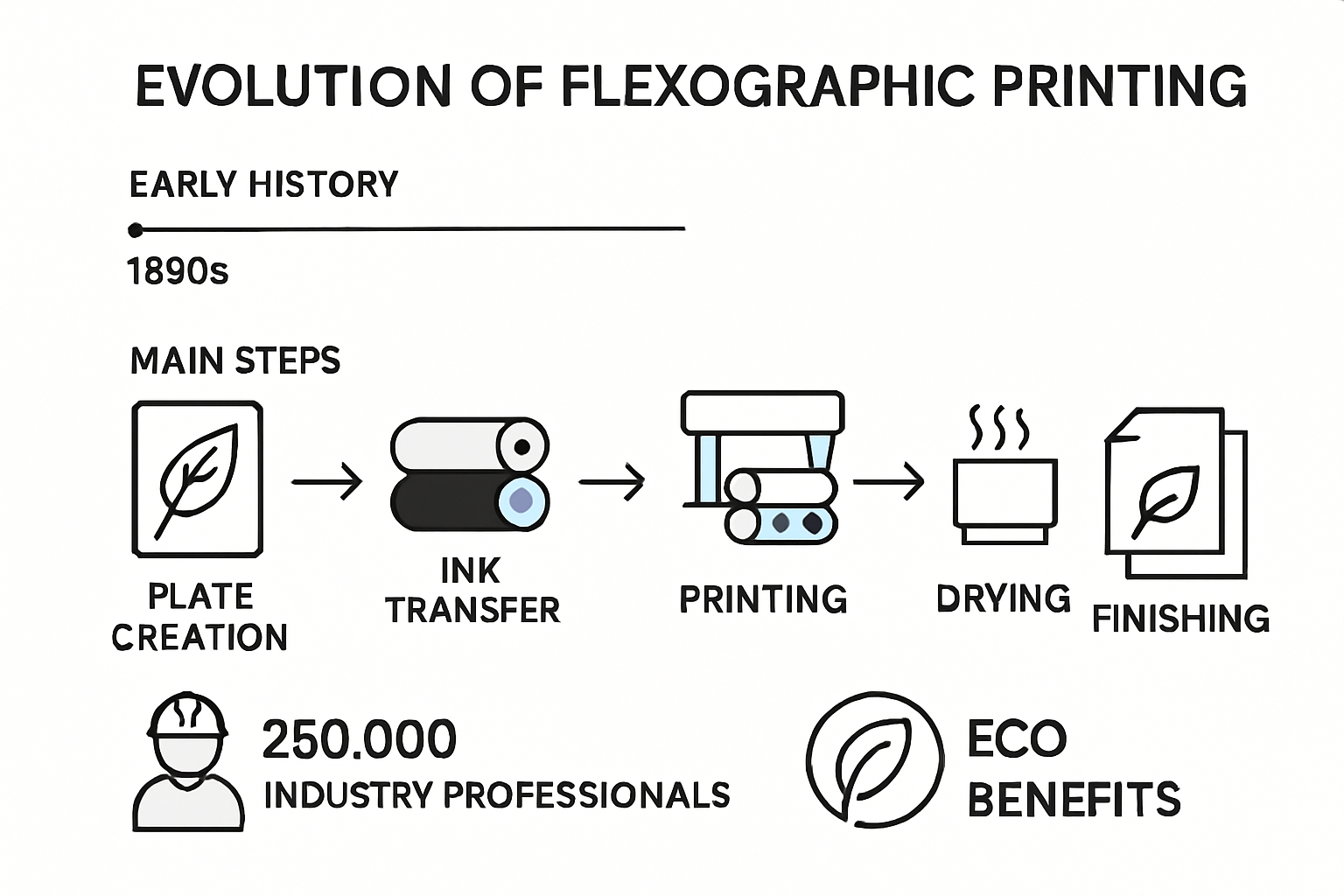
Flexographic printing operates through a sophisticated and precise series of mechanical steps that transform digital designs into high-quality printed materials. Learn more about advanced printing techniques to understand the intricacies of this remarkable printing method.
Plate Preparation and Image Transfer
The flexographic printing process begins with creating specialized photopolymer printing plates. According to Britannica’s technical overview, these flexible rubber or elastomeric plates are precisely engraved to capture the desired imagery. OSHA’s detailed guide explains that the plates are mounted onto rotating cylinders, forming the foundational element of the printing mechanism.
During plate preparation, graphic designers create digital images that are transferred onto the photopolymer plates through a photoengraving process. This involves exposing the plate to ultraviolet light through a film negative, which hardens specific areas and creates a raised image surface. The raised areas will subsequently transfer ink onto the substrate during printing.
Ink Application and Substrate Printing
The ink application process in flexographic printing is remarkably precise. An ink pan supplies ink to an anilox roller, which features microscopic cells that control the exact volume of ink transferred. The anilox roller applies a uniform ink layer to the flexible printing plate, ensuring consistent color density and image quality.
As the substrate moves through the printing press, the inked plate makes direct contact, transferring the image with exceptional accuracy. Clemson University’s research highlights that different substrates require specific ink formulations and press configurations, making flexography an incredibly adaptable printing technology.
Drying and Post-Press Processing
Immediate ink drying is crucial in flexographic printing to prevent smudging and ensure print quality. Modern flexo presses incorporate advanced drying systems that use hot air, infrared radiation, or UV light to rapidly set the ink. These systems are calibrated to match specific ink types and substrate materials, ensuring optimal drying without compromising the printed image.
Post-press processing may involve additional treatments such as lamination, cutting, or specialized coating applications. This final stage transforms the printed material into its ultimate form, whether it becomes a product label, packaging, or another printed item. The flexibility of the flexographic printing process allows for complex multi-color printing and intricate design reproduction across various materials including plastic, metallic films, paper, and cellophane.
Here’s a step-by-step summary of the flexographic printing process, making it easy to understand how a design becomes a finished printed item:
| Step | Description |
|---|---|
| Plate Preparation | Photopolymer plates are created and engraved with the required image. |
| Mounting | Plates are mounted onto rotating cylinders within the press. |
| Inking | Ink from an ink pan is transferred via an anilox roller to the printing plate. |
| Printing | The inked plate makes direct contact with the substrate, transferring the image. |
| Drying | Immediate drying (hot air, IR, or UV) prevents smudging and sets the ink. |
| Post-Press Processing | Additional treatments (lamination, cutting, coating) create the final product. |
Benefits of Flexographic Printing for Key Industries
Flexographic printing has emerged as a transformative technology, delivering exceptional value across multiple industrial sectors by offering unparalleled printing capabilities and operational efficiency. Explore advanced printing solutions that demonstrate the remarkable versatility of this printing method.
Packaging and Consumer Goods Innovation
In the packaging industry, flexographic printing represents a revolutionary approach to product presentation and branding. According to Wikipedia, flexography excels at printing on non-porous substrates, making it ideal for food packaging, consumer product labels, and complex packaging designs. Manufacturers can now produce vibrant, high-resolution graphics on diverse materials including plastic, metallic films, cellophane, and paper with unprecedented precision.
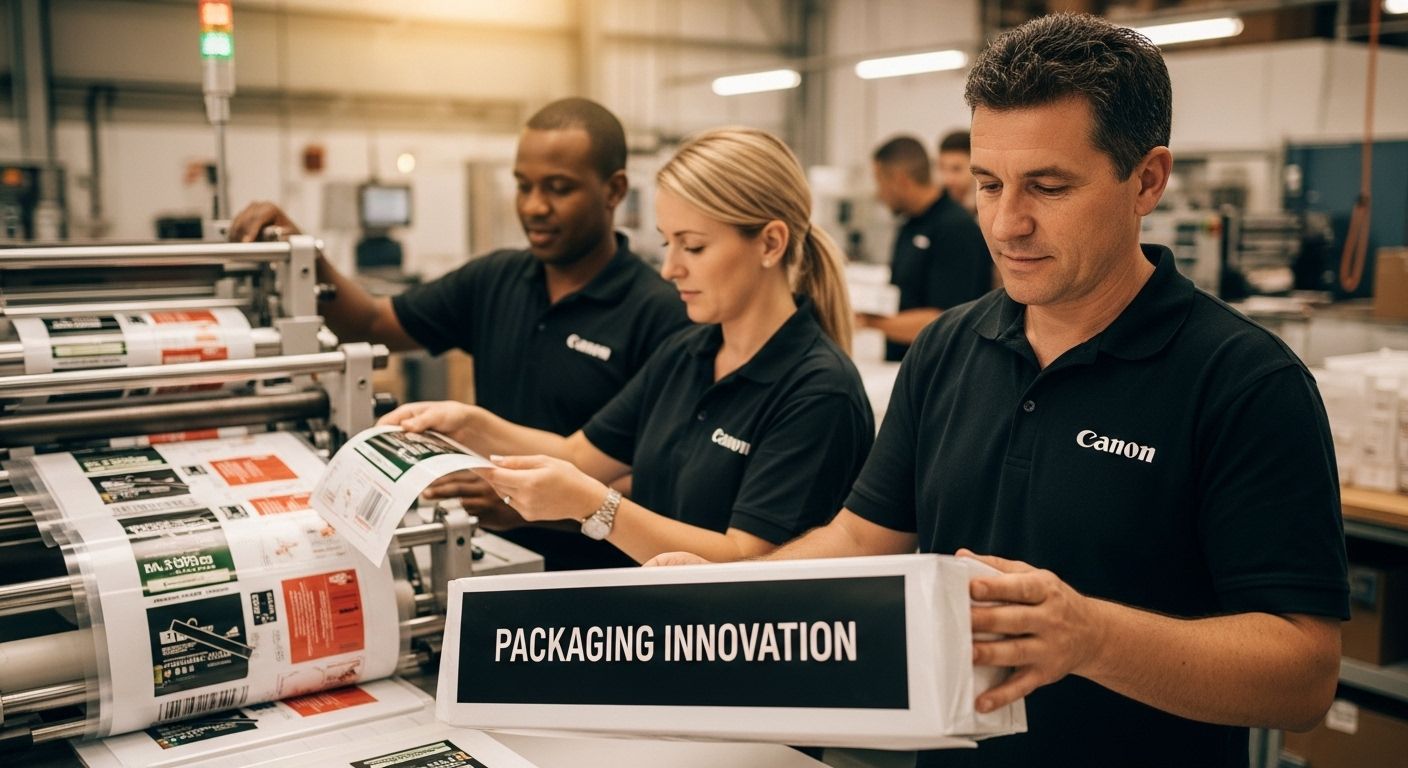
The technology enables businesses to create intricate, visually appealing packaging that not only protects products but also communicates brand identity. From intricate food packaging to pharmaceutical labels, flexographic printing supports complex multi-color designs that capture consumer attention and enhance product marketability.
Environmental Sustainability and Technological Efficiency
Clemson University’s research highlights flexography’s significant contributions to environmental sustainability. By utilizing water-based and UV-curable inks, this printing method dramatically reduces volatile organic compound (VOC) emissions compared to traditional printing techniques. The process generates minimal waste during setup and production, aligning with increasingly stringent environmental regulations and corporate sustainability goals.
The technological efficiency of flexographic printing extends beyond environmental considerations. High-speed rotary functionality allows for rapid production cycles, enabling manufacturers to meet demanding market timelines while maintaining exceptional print quality. This efficiency translates to reduced production costs and increased competitiveness across industries such as food and beverage, pharmaceuticals, and consumer electronics.
Cross-Industry Adaptability and Performance
Flexographic printing’s remarkable adaptability makes it a cornerstone technology for numerous sectors. Its ability to print on varied substrate thicknesses and materials enables applications ranging from delicate pharmaceutical packaging to robust industrial labels. Automotive manufacturers utilize flexography for dashboard components, while electronics companies leverage the technology for precise circuit board labeling.
The printing method’s versatility allows industries to achieve consistent, high-quality results across different production requirements. Whether creating intricate multi-layer packaging for medical devices or producing large-volume consumer product labels, flexographic printing provides a reliable, cost-effective solution that meets the most demanding technical specifications.
By combining technological innovation, environmental consciousness, and exceptional print quality, flexographic printing continues to transform how industries approach product packaging, branding, and visual communication.
Comparing Flexographic Printing to Other Methods
Printing technologies have evolved significantly, with flexographic printing emerging as a distinctive method that offers unique advantages over traditional printing techniques. Explore advanced color control techniques to understand the nuanced differences between printing methodologies.
Here is a comparison table summarizing the key differences between Flexographic, Offset, Rotogravure, and Digital printing methods to highlight their respective strengths and ideal applications:
| Method | Substrate Range | Setup Cost | Ideal Volume | Environmental Impact | Key Advantages |
|---|---|---|---|---|---|
| Flexography | Broad (plastic, films, paper) | Low to Medium | Large (high-volume) | Low (water-based, UV inks) | Versatility, speed, cost-effective for large runs |
| Offset | Primarily paper | Medium | Medium to large | Moderate (uses solvents) | High detail, sharp images on paper |
| Rotogravure | Excellent for films, paper | High | Very large | Moderate (solvent-based inks) | Exceptional image quality, for extremely long print runs |
| Digital | Very broad | Very Low | Short to medium | Low (less waste, minimal setup) | Customization, rapid setup, no plates needed |
Flexography vs. Offset Printing
Offset printing, a long-established printing method, differs substantially from flexographic printing in both process and application. While offset printing transfers an image from a plate to a rubber blanket and then to the printing surface, flexography directly applies ink from a flexible plate to the substrate. According to printing industry experts, flexography excels in scenarios requiring printing on non-porous materials like plastic and metallic films, whereas offset printing typically performs best on traditional paper surfaces.
The key differentiator lies in versatility. Flexographic printing can handle a broader range of substrate materials and thicknesses, making it ideal for packaging, labels, and industrial applications. Offset printing, while producing exceptional detail on paper, struggles with the same diverse material range that flexography navigates effortlessly.
Rotogravure and Flexographic Printing Comparison
Rotogravure printing, another prominent printing method, involves etching images onto copper cylinders and using these to transfer ink. Printing technology research indicates that while rotogravure offers exceptional image quality for long print runs, it requires significant upfront investment in cylinder preparation. Flexographic printing, by contrast, provides more flexibility and lower initial setup costs.
Rotogravure remains superior for extremely high-volume productions, particularly in packaging and publication industries. However, flexography has gained ground due to its adaptability, faster setup times, and ability to work with water-based and environmentally friendly inks. The ability to quickly change printing plates in flexography allows for more rapid design iterations and shorter production cycles compared to the more rigid rotogravure process.
Digital Printing and Flexographic Innovations
Digital printing represents the most recent technological advancement, offering unprecedented customization and minimal setup requirements. Unlike flexographic printing, digital methods do not require physical plates, instead using digital files directly to print images. However, for large-volume commercial production, flexography maintains significant advantages in terms of per-unit cost and production speed.
The emergence of hybrid printing technologies has further blurred traditional boundaries. Modern flexographic presses now incorporate digital color management systems, combining the speed and cost-effectiveness of flexography with the precision of digital color control. This evolution demonstrates flexography’s ongoing technological adaptation, bridging traditional manufacturing techniques with cutting-edge digital innovations.
Ultimately, the choice between printing methods depends on specific project requirements, including substrate type, volume, color complexity, and budget constraints. Flexographic printing continues to distinguish itself through its remarkable adaptability, making it a preferred choice across diverse industrial applications.
Frequently Asked Questions
What is flexographic printing?
Flexographic printing is a modern rotary printing technology that allows for high-speed and high-quality printing on a diverse range of substrates, including plastic and metallic films. It is widely used in packaging and label production across various industries.
What are the benefits of flexographic printing compared to other methods?
Flexographic printing offers several advantages, including versatility in substrate range, fast production cycles, reduced setup costs for large runs, and lower environmental impact due to the use of water-based and UV-curable inks.
How does the flexographic printing process work?
The flexographic printing process involves several key steps: preparing photopolymer plates, applying ink from an anilox roller to the plates, transferring the ink onto the substrate, and ensuring quick drying of the print to maintain quality. Post-press processing may include lamination or cutting.
What industries benefit from flexographic printing?
Flexographic printing is utilized in multiple industries, including packaging, pharmaceuticals, consumer goods, and electronics. Its adaptability allows it to meet the diverse printing needs of these sectors efficiently.
Bring Your Flexographic Printing Vision to Life With Kolor Guide
You have just explored how flexographic printing adapts to new materials and growing production demands. Yet, many printers and designers still struggle with color consistency, fast turnaround, and finishing touches for diverse substrates. Delays and print errors can put entire runs at risk. This is where Kolor Guide steps in to solve your printing challenges.
Discover tools and supplies that are engineered for the unique demands of flexographic printing. Our solutions help you control color accuracy, select the right materials, and keep your workflow efficient. Visit Kolor Guide to shop industry-leading products and read about advanced color control techniques trusted by print professionals. Make your next flexo job faster, smarter, and more reliable. Connect with us today and set your print projects up for success.
Recommended
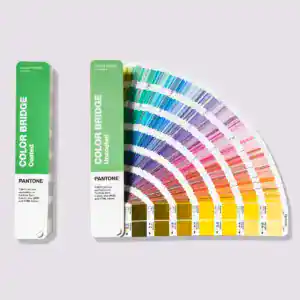
Pantone Color Bridge Set | Coated & Uncoated GP6102B
Original price was: $436.00.$428.00Current price is: $428.00.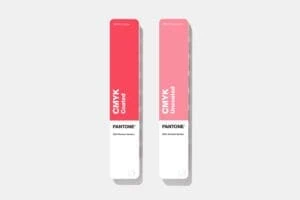
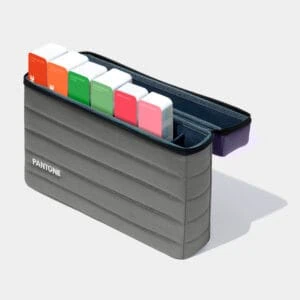
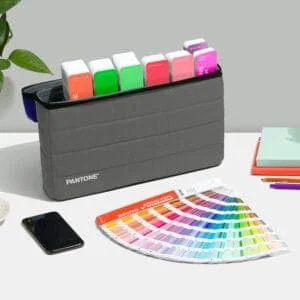
Pantone Portable Guide Studio GPG304B By Kolorguide
Original price was: $1,079.00.$944.99Current price is: $944.99.

About author
Related posts

Discover why registration is important for businesses in the printing, packaging, plastics, and technology industries. Learn how it protects and boosts your company’s growth. Continue reading

Explore essential printing press terminology to enhance your knowledge as a graphic designer or industry professional. Comprehensive insights included. Continue reading