No products in the cart.
Return To Shop
Graphic Design Workflow for Industrial Printing in 2025
Industrial printing is changing at lightning speed and graphic design workflows are racing to keep up. In 2025, designers are working with AI-powered systems that cut manual tasks by up to 40 percent and digital tools that speed up every step. That sounds like a designer’s dream, right? Oddly enough, the real challenge is not just the technology or the pace. It is about building flexible workflows that can keep evolving just as fast as the printing industry itself.


 Now is the time to transform your workflow into a more efficient and adaptable system. Discover high-performance products for the printing, design, and graphic arts industry at Kolorguide. Explore solutions that support precise color management, seamless digital integration, and sustainable production practices. Let us help you futureproof your business—visit Kolorguide or check out our insights on essential graphic design tools to get started today.
Table of Contents
- Understanding Graphic Design Workflow Basics
- Key Workflow Steps For Industrial Sectors
- Best Practices For Printing Industry Success
- Adapting Your Workflow For 2025 Trends
Quick Summary
| Takeaway | Explanation |
|---|---|
| Embrace digital collaboration tools | Utilizing advanced platforms enhances teamwork and speeds up design processes. |
| Focus on precise color management | Implementing strict protocols ensures consistent color reproduction across different printing technologies. |
| Adopt automation and AI technologies | These innovations optimize workflows by reducing manual tasks and improving efficiency. |
| Implement sustainable production practices | Incorporating eco-friendly methods reduces waste and supports long-term operational resilience. |
| Maintain flexible workflow models | Adaptable processes allow for rapid responses to market changes and evolving technology demands. |
Understanding Graphic Design Workflow Basics
Graphic design workflow represents the strategic process of transforming creative concepts into production-ready designs for industrial printing environments. In 2025, this workflow has evolved from traditional linear approaches to a more integrated, technology-driven system that demands precision, collaboration, and adaptability.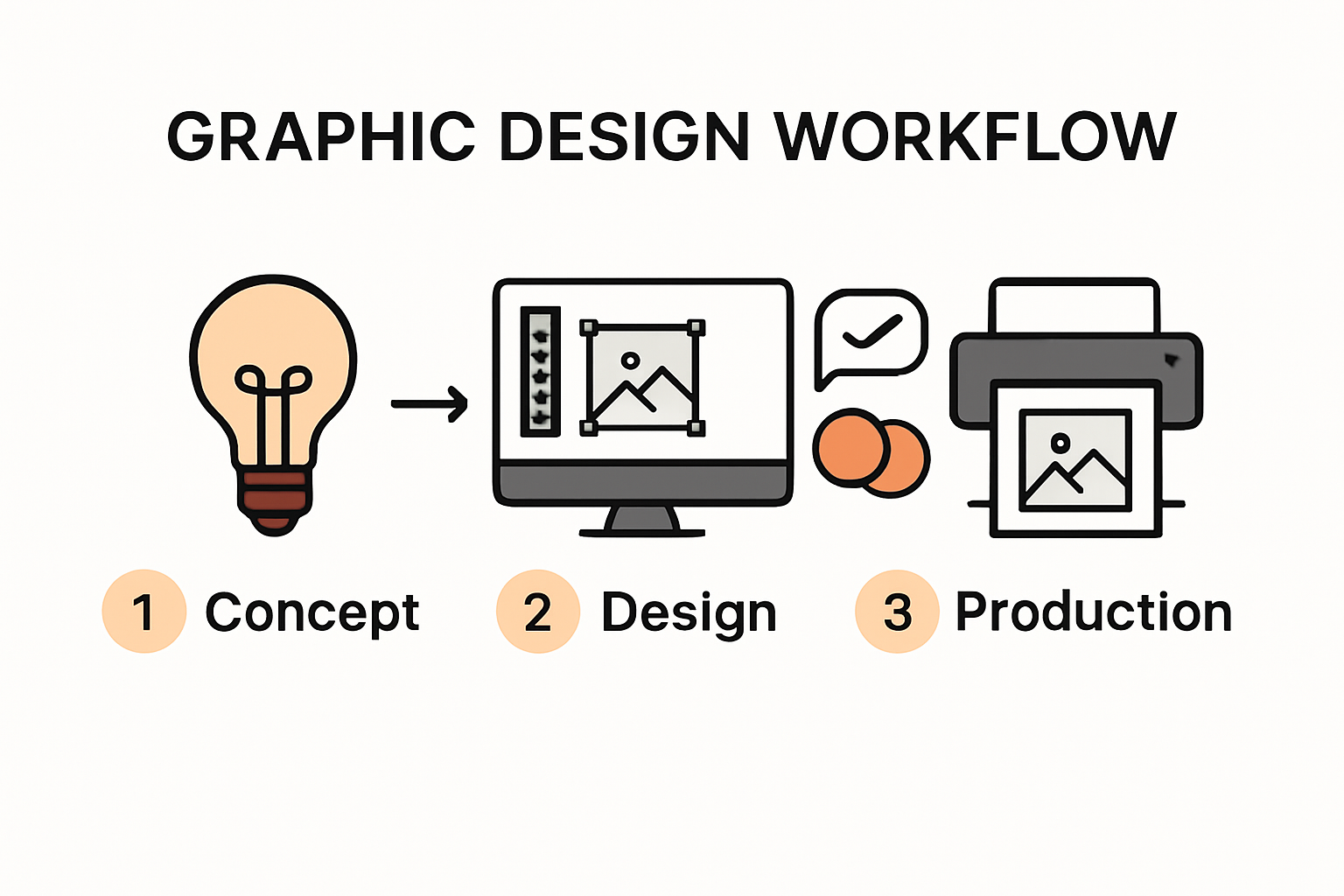
Digital Preparation and Conceptualization
Modern graphic design workflows begin with comprehensive digital preparation. Designers now leverage advanced digital tools that enable rapid conceptualization and iterative design processes. According to the Rochester Institute of Technology’s research, successful industrial printing workflows require meticulous attention to detail during the initial concept development stages.Professional designers utilize sophisticated software platforms that support seamless collaboration, version control, and real-time feedback. These digital ecosystems allow multiple team members to contribute simultaneously, reducing turnaround times and minimizing communication bottlenecks. Key components of this preparatory phase include:- Asset Management: Organizing and categorizing design elements, fonts, color palettes, and reference materials
- Conceptual Sketching: Developing initial design concepts using digital tablets and advanced visualization tools
- Prototype Development: Creating preliminary design mockups that can be quickly modified and refined
| Component | Description |
|---|---|
| Asset Management | Organizing and categorizing design elements, fonts, color palettes, and references |
| Conceptual Sketching | Developing initial concepts using digital tools and visualization platforms |
| Prototype Development | Creating and refining preliminary mockups for efficient iteration |
Technical File Preparation and Prepress Optimization
Prepress optimization has become increasingly critical in graphic design workflows for industrial printing. Designers must ensure that digital files meet stringent technical requirements for various printing technologies. This involves precise color management, resolution calibration, and format compatibility.Research from the Print and Graphics Scholarship Foundation highlights the importance of understanding specific substrate requirements, color profiles, and file preparation techniques. Modern graphic designers must possess technical skills that extend beyond traditional creative capabilities, including:- Color space conversion and calibration
- Vector and raster image optimization
- Comprehensive file format compatibility checks
Collaborative Workflow Integration
The graphic design workflow in 2025 emphasizes seamless integration between creative teams, production departments, and client stakeholders. Advanced project management platforms enable real-time tracking, feedback incorporation, and transparent communication channels.Digital collaboration tools have transformed how design teams interact, allowing for remote contributions, instant file sharing, and automated version control. Check out our guide on essential graphic design tools to understand the technological ecosystem supporting modern design workflows.Successful graphic design workflows now require a holistic approach that balances creative vision with technical precision. Designers must continuously adapt to emerging technologies, maintain flexible communication strategies, and deliver high-quality, production-ready designs that meet the complex demands of industrial printing environments.Key Workflow Steps for Industrial Sectors
Industrial graphic design workflows in 2025 demand a comprehensive approach that integrates sophisticated digital technologies with precision-driven processes. Each sector requires nuanced strategies that address unique production challenges and technological requirements.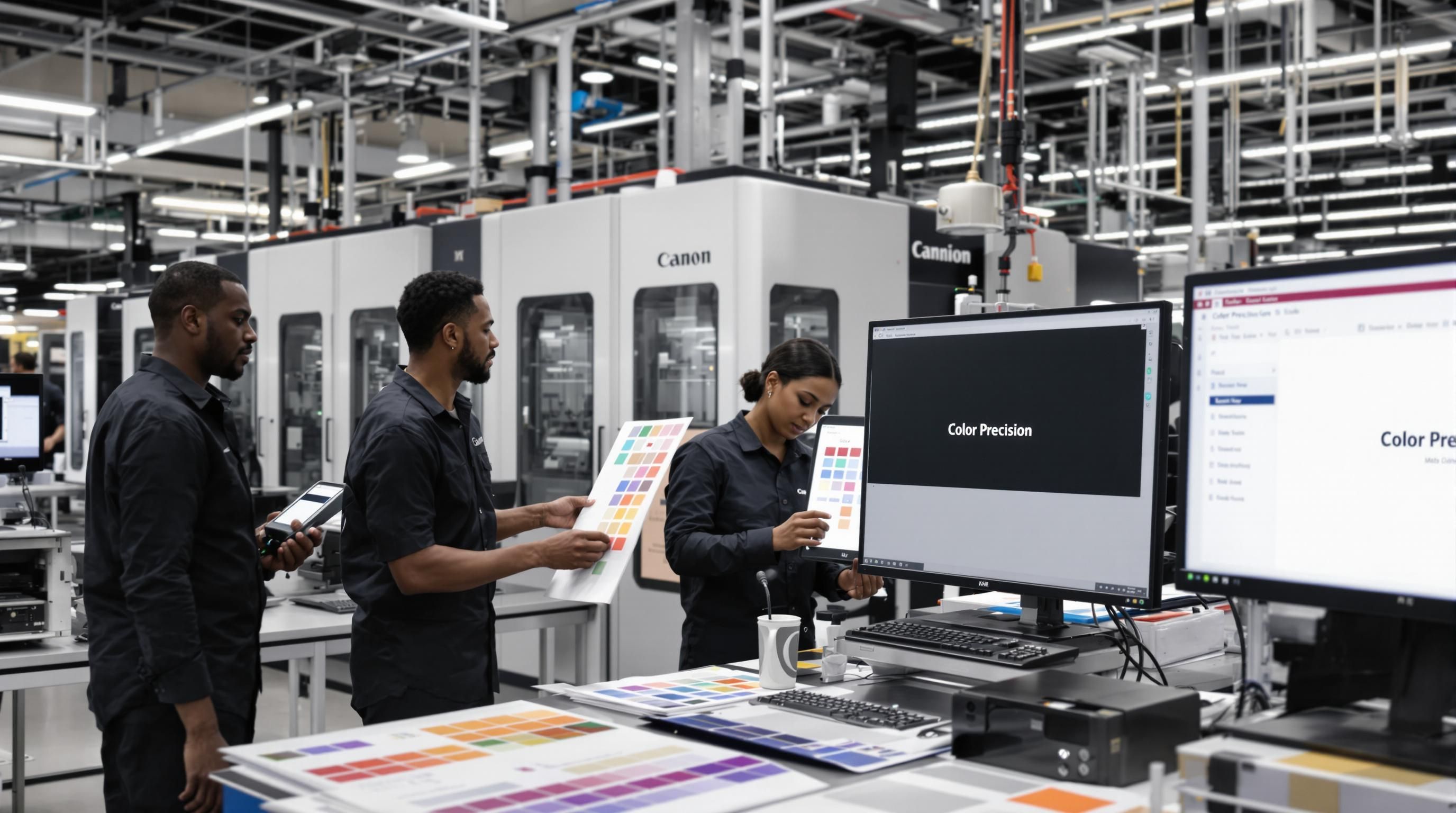
Color Management and Digital Proofing
Color management represents a critical workflow component across industrial printing sectors. According to the Open Textbook on Graphic Design and Print Production, achieving consistent color reproduction requires meticulous calibration and standardized color management protocols.Modern industrial sectors utilize advanced digital proofing techniques that enable precise color matching and quality verification before final production. These techniques involve:- Spectral Color Measurement: Using specialized instruments to quantify color characteristics
- Digital Color Profiling: Creating comprehensive color reference maps for different substrates
- Cross Platform Color Validation: Ensuring color consistency across multiple printing technologies
| Technique | Purpose |
|---|---|
| Spectral Color Measurement | Quantify and evaluate accuracy of color characteristics |
| Digital Color Profiling | Create reference maps for color accuracy across substrates |
| Cross Platform Color Validation | Ensure color consistency on multiple printing technologies |
Workflow Integration and Process Optimization
Research from ResearchGate emphasizes the critical role of workflow integration in enhancing production efficiency. Industrial sectors now implement sophisticated digital ecosystems that seamlessly connect design, prepress, production, and quality control stages.Key optimization strategies include:- Automated file preprocessing
- Real-time production tracking
- Predictive maintenance protocols
- Intelligent resource allocation systems
Prepress and Production Preparation
Prepress processes have evolved into complex technological interventions that go beyond traditional layout preparation. Industrial graphic design workflows now incorporate advanced verification protocols that ensure production readiness across diverse printing technologies.Critical prepress activities include:- Comprehensive file compatibility checks
- Resolution and format standardization
- Substrate-specific optimization
- Automated error detection and correction
Best Practices for Printing Industry Success
Successful printing industry performance in 2025 demands a strategic approach that integrates technological innovation, operational efficiency, and adaptive methodologies. Printing organizations must develop comprehensive practices that address complex production challenges and evolving market demands.Standardization and Quality Control
According to the Idealliance Guide to Print Production, implementing rigorous standardization protocols is fundamental to achieving consistent output quality. Industrial printing sectors must establish comprehensive quality control frameworks that encompass every stage of production.Key standardization practices include:- Comprehensive Color Management: Developing consistent color reproduction standards across different printing technologies
- Process Verification: Implementing multi-stage quality checkpoints
- Equipment Calibration: Regular precision maintenance of printing equipment
Technological Integration and Workflow Optimization
Research from Spectrum Infinite’s Prepress Checklist emphasizes the critical importance of leveraging advanced technological solutions to streamline production processes. Modern printing organizations must focus on creating integrated digital ecosystems that facilitate seamless communication and efficient resource allocation.Critical technological integration strategies involve:- Automated job scheduling systems
- Cloud-based collaboration platforms
- Advanced digital asset management
- Real-time production tracking mechanisms
Sustainable and Adaptive Production Models
Learn more about circular economy strategies for printing industries that support long-term sustainability and operational resilience. Successful printing organizations must develop adaptive production models that balance technological efficiency with environmental responsibility.Strategic sustainability practices include:- Implementing resource-efficient printing technologies
- Reducing material waste through precision production
- Developing closed-loop recycling systems
- Investing in renewable energy solutions for production facilities
Adapting Your Workflow for 2025 Trends
The graphic design and printing industry in 2025 demands unprecedented adaptability and technological integration. Organizations must proactively transform their workflows to remain competitive in a rapidly evolving technological ecosystem.Technological Automation and Artificial Intelligence
According to Kodak’s 2025 industry report, artificial intelligence and automation have become fundamental drivers of operational efficiency. Print providers are increasingly implementing AI-powered systems that streamline complex workflows, reduce manual interventions, and optimize resource allocation.Key automation strategies include:- Intelligent Job Routing: AI systems that automatically assign print jobs based on equipment availability and production capacity
- Predictive Maintenance: Machine learning algorithms that forecast equipment performance and schedule preemptive maintenance
- Automated Quality Control: AI-driven inspection systems that detect and flag potential printing defects
Advanced Digital Technology Integration
Research from the Computer-to-Screen Technology Study highlights the transformative potential of emerging digital technologies. Modern print workflows must incorporate sophisticated digital tools that enhance precision, reduce material consumption, and accelerate production cycles.Critical technology integration approaches involve:- Implementing Computer-to-Screen (CTS) machines
- Adopting advanced digital asset management platforms
- Utilizing cloud-based collaborative design environments
- Integrating real-time production tracking systems
Sustainable and Adaptive Workflow Models
Learn more about circular economy strategies in printing that support long-term operational resilience. Canon’s 2025 research emphasizes the importance of developing adaptive workflow models that balance technological efficiency with environmental sustainability.Strategic sustainability practices include:- Implementing eco-friendly printing technologies
- Developing closed-loop material recycling systems
- Reducing carbon footprint through energy-efficient production
- Creating modular workflow designs that can quickly adapt to market changes
Frequently Asked Questions
What is the graphic design workflow for industrial printing in 2025?
The graphic design workflow for industrial printing in 2025 has evolved to incorporate advanced digital technologies and AI, enabling flexible, efficient processes that enhance collaboration and optimize production.How can AI improve graphic design workflows in industrial printing?
AI can reduce manual tasks by up to 40%, streamline processes such as job routing and maintenance, and automate quality control systems to enhance overall efficiency.Why is color management crucial in industrial printing workflows?
Color management ensures consistent color reproduction across various printing technologies, which is vital for maintaining brand integrity and meeting client expectations in industrial applications.What are best practices for adapting graphic design workflows to 2025 trends?
Best practices include embracing advanced digital collaboration tools, adopting automation technologies, implementing sustainable practices, and maintaining flexible workflow models to respond quickly to market changes.Ready to Upgrade Your Industrial Printing Workflow?
Are you struggling to keep up with the demands of modern graphic design workflows for industrial printing? If you feel the pressure of rapid change, complex color management, or the need to streamline your entire process, you are not alone. The article highlights how integrating advanced digital tools and AI is essential to reduce manual tasks and deliver production-ready designs faster. Yet, taking these steps without the right products and support can hold your team back. Now is the time to transform your workflow into a more efficient and adaptable system. Discover high-performance products for the printing, design, and graphic arts industry at Kolorguide. Explore solutions that support precise color management, seamless digital integration, and sustainable production practices. Let us help you futureproof your business—visit Kolorguide or check out our insights on essential graphic design tools to get started today.
Recommended
- La importancia de la economía circular y omnicanal – kolorguide
- El crecimiento de la impresión digital para textiles – kolorguide
- industrial printing Archives – kolorguide
- 21 herramientas de diseño gráfico sin las que no se puede vivir – kolorguide
- AI in Design: Transforming Artistic Vision into Reality
- Minimalist Website Design for Businesses in 2025: Trends & Best Practices
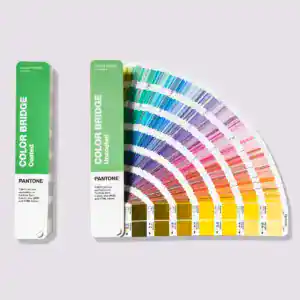
Pantone Color Bridge Set | Coated & Uncoated GP6102B
Original price was: $436.00.$428.00Current price is: $428.00.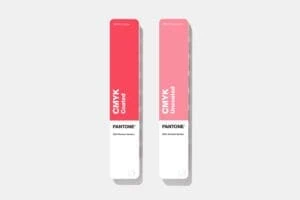
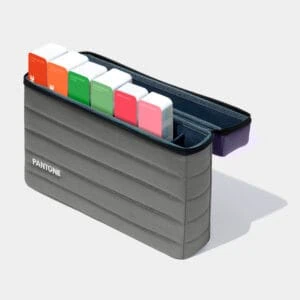

Pantone Portable Guide Studio GPG304B By Kolorguide
Original price was: $1,079.00.$944.99Current price is: $944.99.



About author
Related posts

Discover why registration is important for businesses in the printing, packaging, plastics, and technology industries. Learn how it protects and boosts your company’s growth. Continue reading

Explore essential printing press terminology to enhance your knowledge as a graphic designer or industry professional. Comprehensive insights included. Continue reading