
No products in the cart.
Return To ShopHow to Use Dyne Test Pens: A Step-by-Step Guide
Important
Before performing a Dyne Test, it is crucial to understand the physics of the substrate you are handling. While the pens give you the measurement, the 'Surface Energy' determines the success of the bond. To master the science behind the ink-to-substrate relationship, we recommend reviewing our Complete Guide to Surface Energy & Molecular Adhesion, which provides the theoretical foundation for these tests. https://kolorguide.com/the-complete-guide-to-dyne-test-pens-surface-energy-testing-for-print-packaging-excellence/
How to Use Dyne Test Pens (Step-by-Step Surface Energy Testing Guide)
What Are Dyne Test Pens?
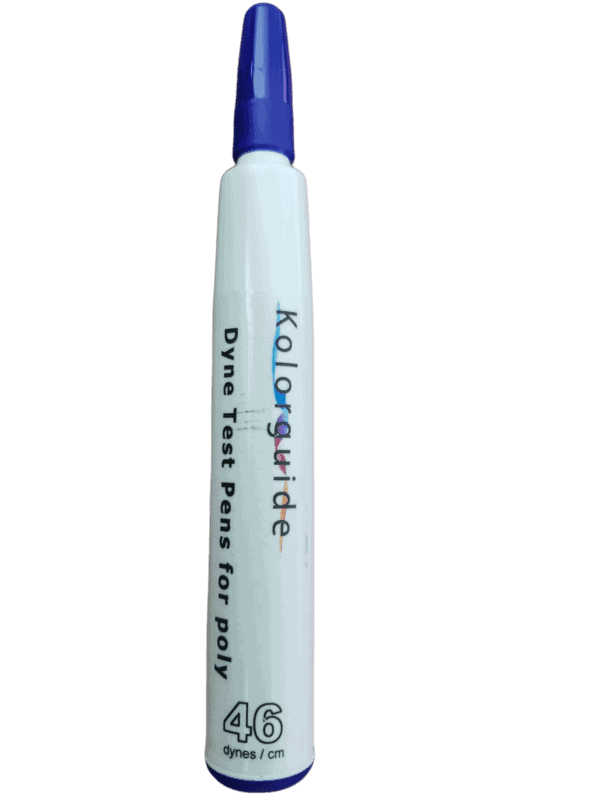
Dyne test pens (also called corona test pens or surface energy test pens) are specialized tools used to measure the surface energy of materials, particularly plastics, films, and coatings. They help determine whether a surface has been properly treated for printing, coating, or adhesive bonding. The measurement is expressed in dynes per centimeter (dyne/cm), which indicates the surface’s wettability.
surface energy testing methods
When to Use Dyne Test Pens
- Quality control in printing and packaging industries
- Pre-treatment verification before coating or printing
- Adhesion testing before applying adhesives or labels
- Corona/flame treatment effectiveness assessment
- Material compatibility testing
How to Use Dyne Test Pens
To measure surface energy using dyne test pens, apply the selected dyne level fluid to the substrate and observe whether it forms a continuous film for at least 2 seconds. If the fluid beads up immediately, the surface energy is lower than the dyne level of the pen.
Equipment Needed
- Dyne test pens (various levels: typically 30-70 dyne/cm)
- Clean, lint-free cloth or tissue
- Stopwatch or timer
- Good lighting
- Safety equipment (gloves, ventilation)
What dyne level is required for polyethylene or polypropylene films?
Typical Dyne Levels for Common Plastic Films
| Material | Recommended Dyne Level |
|---|---|
| Polyethylene (PE) | 38–42 dynes/cm |
| Polypropylene (PP) | 38–44 dynes/cm |
| PET | 42–50 dynes/cm |
| Nylon | 46–56 dynes/cm |
Step-by-Step Instructions
1. Prepare the Test Surface
- Clean the surface thoroughly with isopropyl alcohol or appropriate solvent
- Allow to dry completely (2-3 minutes minimum)
- Ensure the surface is at room temperature (65-75°F / 18-24°C)
- Work in a well-ventilated area away from ignition sources
- ISO surface energy testing standards
2. Select the Appropriate Dyne Level
- Start with a mid-range pen (38-40 dyne/cm) for most applications
- Higher values (50-60 dyne/cm) for better adhesion requirements
- Lower values (30-36 dyne/cm) for basic wettability testing
3. Perform the Test
- Shake the pen vigorously for 10-15 seconds before use
- Remove the cap and press the tip down on a test surface until ink flows
- Draw a continuous line 2-3 inches long on the test surface
- Start timing immediately after drawing the line
- Observe the line behavior for exactly 2 seconds
4. Interpret the Results
PASS (Good Surface Energy):
- Line remains continuous and uniform for the full 2 seconds
- No beading or breaking of the test fluid
- Surface energy is equal to or greater than the pen’s dyne level
FAIL (Poor Surface Energy):
- Line breaks up, beads, or retracts within 2 seconds
- Test fluid forms droplets instead of a continuous line
- Surface energy is lower than the pen’s dyne level
5. Determine Exact Surface Energy
- If the line passes: Try a higher dyne level pen
- If the line fails: Try a lower dyne level pen
- Continue testing until you find the highest dyne level that passes
- The surface energy equals the highest passing dyne level
Best Practices
Storage and Handling
- Store pens horizontally with caps tightly sealed
- Keep at room temperature away from heat and light
- Replace caps immediately after use to prevent drying
- Check expiration dates regularly
Testing Technique
- Use consistent pressure when drawing lines
- Draw lines quickly in one smooth motion
- Test multiple areas on large surfaces
- Allow 30 seconds between tests on the same area
- Use fresh areas for each test when possible
Environmental Considerations
- Temperature: 65-75°F (18-24°C) for accurate results
- Humidity: 45-55% relative humidity is ideal
- Ventilation: Ensure adequate airflow
- Contamination: Avoid touching test areas with bare hands
Common Applications and Target Values
| Application | Typical Dyne Level Required |
|---|---|
| Basic printing | 36-38 dyne/cm |
| High-quality printing | 40-44 dyne/cm |
| Coating applications | 42-46 dyne/cm |
| Adhesive bonding | 44-50 dyne/cm |
| Critical adhesion | 50+ dyne/cm |
| Dyne Level (dynes/cm) | Surface Type Example |
|---|---|
| 30–34 | Untreated polyethylene |
| 36–38 | Lightly treated film |
| 40–42 | Corona treated film |
| 44+ | High adhesion substrates |
Troubleshooting Common Issues
Inconsistent Results
- Check pen storage conditions
- Verify surface cleanliness
- Control testing environment
- Use fresh test areas
Pen Not Working
- Shake more vigorously before use
- Check for clogs in the tip
- Verify pen hasn’t expired
- Store properly between uses
Unexpected Low Readings
- Surface contamination (oils, dust, static)
- Inadequate treatment (corona/flame)
- Material degradation over time
- Environmental factors (temperature, humidity)
Common Surface Energy Problems in Printing and Coating
Surface energy plays a critical role in printing, coating, laminating, and adhesive bonding processes. When the surface energy of a substrate is too low, inks, coatings, or adhesives cannot properly wet the surface. This often results in several common production problems that converters encounter during printing and finishing operations.
Ink Adhesion Failure
Ink adhesion failure is one of the most common issues caused by insufficient surface energy. When the dyne level of a substrate is lower than the surface tension of the ink, the ink cannot properly wet the surface.
Instead of forming a uniform film, the ink may:
retract or bead up on the substrate
show poor anchorage after drying
rub off easily during handling or finishing
fail during tape tests or abrasion tests
This problem frequently occurs in untreated polyethylene (PE) or polypropylene (PP) films, where the natural surface energy may be as low as 30–32 dynes/cm. For most flexographic or gravure printing applications, a surface energy of 38 dynes/cm or higher is typically required to ensure proper ink adhesion.
Regular verification using dyne test pens helps confirm that the substrate surface energy meets the required level before printing begins.
Coating Defects
Low surface energy can also cause coating defects during varnishing, laminating, or functional coating applications. When the coating cannot properly wet the surface, several defects may appear, including:
fisheyes or crater formation
uneven coating coverage
pinholes in protective layers
poor bonding in laminations
These issues are often caused by inadequate surface treatment, contamination on the substrate, or surface energy decay over time. In packaging and converting operations, coatings typically require surface energy levels of 40–46 dynes/cm for optimal performance.
Dyne testing before coating application is a simple method to verify that the substrate surface has sufficient energy for proper wetting.
Corona Treatment Decay
Many plastic films are treated with corona discharge or flame treatment to increase surface energy before printing or coating. However, this treatment effect is not permanent. Over time, the treated surface gradually loses energy due to molecular reorientation within the polymer.
This phenomenon is commonly known as treatment decay.
As a result:
dyne levels decrease during storage
previously printable films may show adhesion problems
converters may experience inconsistent print quality
For this reason, it is recommended to test the surface energy of treated films immediately before printing or coating operations. Dyne test pens provide a quick and reliable method for verifying whether the treated surface still meets the required dyne level.
Regular monitoring of surface energy helps prevent production defects and ensures consistent adhesion performance across printing and converting processes.
Safety Considerations
- Wear nitrile gloves when handling pens
- Ensure adequate ventilation during testing
- Keep away from ignition sources (flammable solvents)
- Dispose of used pens according to local regulations
- Avoid skin contact with test fluids
- Store in cool, dry location away from children
Quality Control Tips
- Test immediately after surface treatment
- Document all results with date, time, and conditions
- Establish baseline values for your materials
- Train multiple operators for consistency
- Calibrate regularly with known standards
- Maintain testing logs for traceability
Need a Dyne Test Pen?
For routine production verification, Kolorguide Dyne Test Pens are sold individually with no minimum order and free U.S. shipping.
✅ FAQ Section – “How to Use Dyne Test Pens”
1️⃣ What dyne level is required for printing?
Most printing and coating applications require a surface energy between 38 and 42 dynes/cm. For flexographic and gravure printing, 38 dynes/cm is typically the minimum acceptable level. Higher-performance coatings and laminations may require 40–44 dynes/cm to ensure proper ink wetting and adhesion.
2️⃣ How do you properly use a dyne test pen?
To use a dyne test pen, apply a smooth line of testing fluid onto the substrate surface and observe the behavior for at least 2 seconds. If the fluid remains as a continuous film, the surface energy is equal to or greater than the dyne level of the pen. If the fluid beads up immediately, the surface energy is lower than the tested dyne value.
3️⃣ How long should dyne fluid stay on the surface?
The testing fluid should remain as a continuous, unbroken film for approximately 2 seconds. If the liquid retracts or forms droplets before 2 seconds, the substrate surface energy is below the dyne level being tested.
4️⃣ What happens if the dyne fluid beads up?
If the dyne test fluid beads up or retracts into droplets, it indicates that the substrate surface energy is lower than the dyne level of the test pen. This means the material may require additional surface treatment, such as corona treatment, before printing or coating.
5️⃣ How often should surface energy be tested?
Surface energy should be tested at the beginning of each production run and periodically during processing. Many converters test treated films every roll or at regular intervals to ensure consistent adhesion performance.
6️⃣ What is the difference between dyne pens and dyne solutions?
Dyne pens contain pre-measured testing fluids in a controlled applicator, making them ideal for quick in-line testing. Dyne solutions are bottled liquids applied with swabs or cotton applicators and are often used in laboratory environments for more detailed evaluation.
Conclusion
Dyne test pens are invaluable tools for ensuring proper surface preparation and treatment effectiveness. By following these procedures consistently, you can maintain quality control in printing, coating, and adhesion processes. Remember that surface energy can change over time, so regular testing is essential for maintaining product quality.
Always consult your specific industry standards and material specifications for exact requirements, as dyne level needs can vary significantly based on application requirements and environmental conditions.
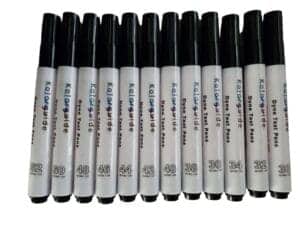
Dyne Test Pens Kit 30-52
Tags: accudyne, dyne pens, dyne test, dyne test pens, dyne test pens for glass, dynepens, dynetestpens, How do you make a dyne solution?, plastics dyne test pens, What are the levels of dyne pens?, What does dyne help with?, What is a dyne in English?, What is a dyne pen?, What is the dyne test for cleanliness?, What is the price of dyne test pen?

About author
Related posts
Surface Energy and Dyne Testing Guide: 105 Technical Questions for Printing and Converting January 26, 2026Kolorguide Technical Division Introduction Surface energy is one of the... Continue reading
Surface energy testing is a critical control point in printing, coating, laminating, and converting operations. Dyne test pens are routinely used to verify surface treatment... Continue reading
Corona treatment is not eternal and Why Geography is Killing Your Surface Tension (and Your Profits)
At Kolorguide, we live by one technical truth: “Corona treatment is not eternal; it is an unstable physical state that tends to decay.”Have you ever... Continue reading
En Kolorguide tenemos una máxima: “El tratamiento de corona no es eterno; es un estado físico inestable que tiende a desaparecer”. Muchos impresores se preguntan... Continue reading
No es solo Kolorguide: Las máximas autoridades de las Artes Gráficas lo exigen A veces nos preguntan si somos demasiado estrictos al insistir en que... Continue reading