No products in the cart.
Return To Shop
Understanding Graphic Design for Packaging: A Deep Dive
Graphic design for packaging is more than creative flair on a box. Well-designed packaging can increase a product’s perceived value by up to 30 percent. Most people think it is all about pretty colors and catchy images. Yet the real magic is how these designs influence you before you even know it, shaping your choices straight from the shelf.
Table of Contents
- What Is Graphic Design For Packaging?
- The Importance Of Effective Packaging Design
- Key Elements Of Graphic Design In Packaging
- How Packaging Design Influences Consumer Behavior
- Real-World Applications Of Graphic Design For Packaging
Quick Summary
| Takeaway | Explanation |
|---|---|
| Graphic design shapes consumer perceptions | Packaging acts as a visual tool influencing purchasing decisions within seconds. |
| Effective packaging communicates brand identity | Strategic design reflects a brand’s values and differentiates it from competitors. |
| Attention to technical constraints is crucial | Designers must balance creativity with practical production and regulatory requirements. |
| Visual elements trigger emotional responses | Colors and typography create immediate emotional connections and brand associations. |
| Investment in packaging design yields economic benefits | Well-designed packaging can increase perceived value, leading to higher consumer engagement and sales. |
What is Graphic Design for Packaging?
Graphic design for packaging represents a sophisticated visual communication strategy that transforms product containers and wrappers into powerful marketing tools. It goes far beyond mere aesthetic decoration, serving as a critical interface between brands and consumers. Graphic design in packaging integrates visual art, marketing psychology, and functional communication to create compelling product presentations that capture attention, convey brand identity, and influence purchasing decisions.
The Core Purpose of Packaging Design
At its fundamental level, graphic design for packaging serves multiple strategic objectives. It must protect the product physically while simultaneously communicating essential information and creating emotional connections. Designers carefully orchestrate visual elements to:
- Communicate product features and benefits
- Establish brand recognition and personality
- Differentiate products from competitors
- Attract target consumer demographics
- Provide critical usage and safety information
The visual language of packaging design involves a complex interplay of color, typography, imagery, and structural elements. Each component is meticulously selected to create a cohesive narrative that resonates with potential customers. Learn more about graphic design tools that make this possible.
Technical and Aesthetic Considerations
Successful packaging graphic design requires a deep understanding of both artistic principles and technical constraints. Designers must consider printing technologies, material properties, regulatory requirements, and production limitations while maintaining visual appeal. According to Packaging Digest, effective packaging design balances aesthetic creativity with practical functionality, ensuring that visual elements enhance rather than compromise the package’s primary protective purpose.
The process involves sophisticated visual problem solving where designers translate brand strategies into tangible, visually compelling experiences. Every color choice, typography selection, and graphical element is intentionally crafted to communicate specific messages and evoke desired emotional responses from consumers. This intricate discipline sits at the intersection of art, marketing, and technical design, making graphic design for packaging a truly multidimensional professional practice.
The Importance of Effective Packaging Design
Effective packaging design transcends traditional visual aesthetics, emerging as a critical strategic tool for brands to communicate value, create emotional connections, and drive consumer behavior. In today’s competitive marketplace, packaging serves as the primary silent salesperson, making split second impressions that can significantly influence purchasing decisions.
Psychological Impact and Consumer Perception
Packaging design operates at the intersection of visual psychology and marketing strategy. Consumers make rapid judgments based on packaging appearance, often deciding within seconds whether a product appeals to them. The visual elements communicate complex brand narratives without uttering a single word. Color psychology, typography, imagery, and structural design work together to:
- Evoke specific emotional responses
- Signal product quality and positioning
- Create instant brand recognition
- Communicate product personality
- Trigger subconscious purchasing impulses
Discover how color standards impact packaging design and understand the nuanced role of visual communication in product presentation.
Economic and Marketing Significance
Beyond aesthetic appeal, packaging design delivers substantial economic value for businesses. According to Nielsen Research, well-designed packaging can increase product perceived value by up to 30%, directly impacting consumer willingness to purchase.
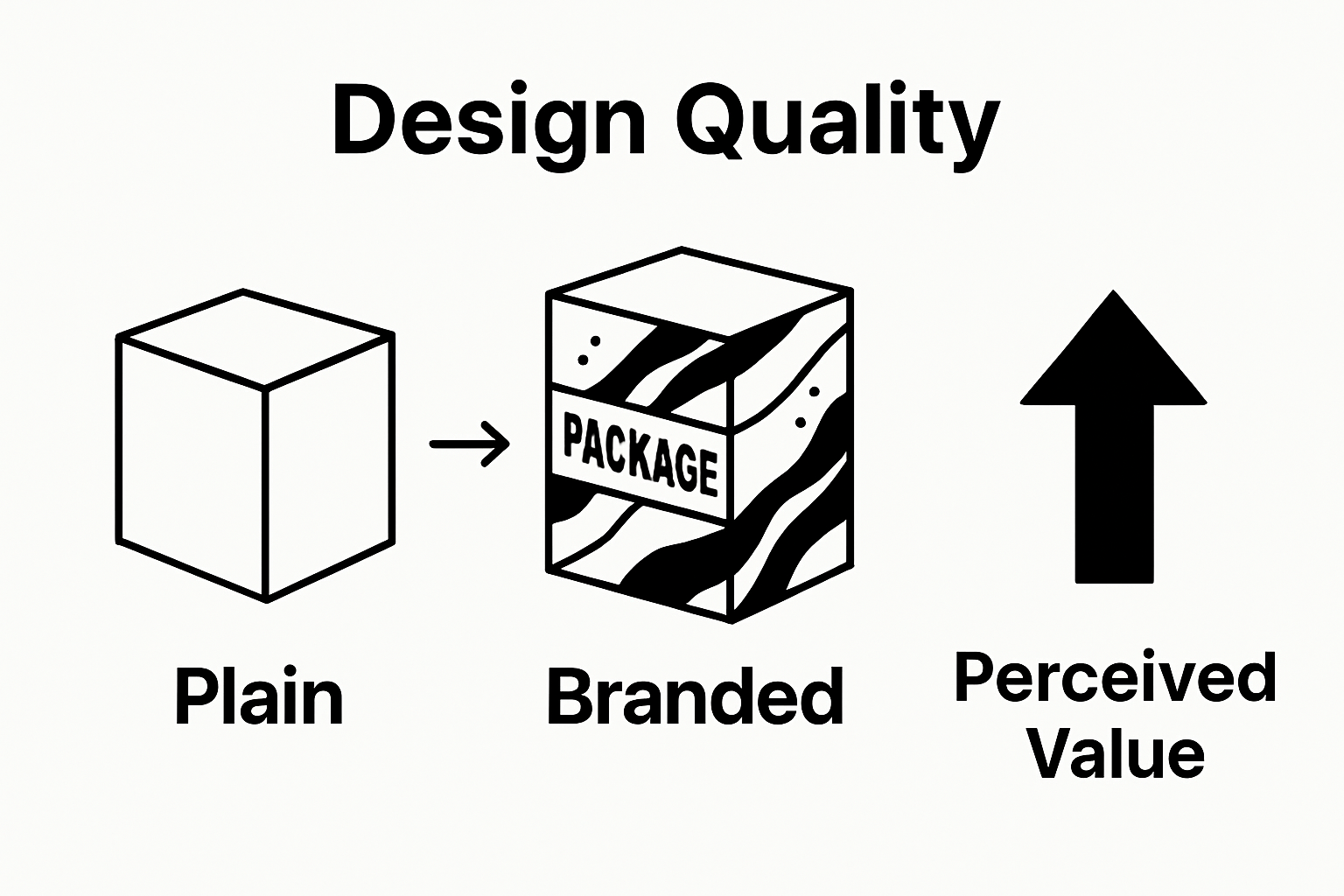 Effective packaging serves multiple strategic functions that extend far beyond mere product containment.
Brands invest significantly in packaging design because it represents a direct communication channel with potential customers. A meticulously crafted package tells a story, differentiates products from competitors, and creates memorable brand experiences. The economic implications are profound: innovative packaging can reduce marketing costs, increase shelf visibility, and create strong brand recall that translates into long term customer loyalty and market positioning.
Key Elements of Graphic Design in Packaging
Graphic design in packaging encompasses a sophisticated array of visual components that work synergistically to create compelling product presentations. These strategic design elements transform ordinary containers into powerful communication platforms that engage consumers, convey brand narratives, and drive purchasing decisions.
Visual Composition and Design Elements
The fundamental building blocks of packaging graphic design include color, typography, imagery, and structural layout. Each element plays a critical role in creating a cohesive and impactful visual experience. Designers meticulously select and integrate these components to:
- Create visual hierarchy and guide consumer attention
- Communicate brand personality and product attributes
- Establish emotional connections with target audiences
- Differentiate products in crowded marketplace
- Enhance product perceived value
Explore innovative packaging printing techniques that elevate graphic design possibilities and push creative boundaries.
Technical and Strategic Considerations
Effective packaging graphic design requires a delicate balance between artistic creativity and technical constraints. According to AIGA Design Journal, successful packaging design integrates multiple considerations including:
Material compatibility demands designers understand how graphics interact with different substrate surfaces. Printing technologies, color reproduction capabilities, and material properties significantly influence design execution. Metallic finishes, textured surfaces, and specialized printing techniques can dramatically transform visual communication strategies.
Beyond aesthetic considerations, packaging design must also comply with regulatory requirements, ensure product protection, and communicate essential information. The intricate interplay between form, function, and visual communication makes graphic design for packaging a complex and dynamic professional discipline that sits at the intersection of art, marketing, and technical innovation.
How Packaging Design Influences Consumer Behavior
Packaging design functions as a sophisticated psychological interface that profoundly shapes consumer perceptions, expectations, and purchasing decisions. Beyond visual aesthetics, packaging serves as a critical communication channel that triggers complex emotional and cognitive responses. This silent yet powerful marketing tool communicates brand identity, product quality, and value proposition within milliseconds of visual engagement.
Psychological Triggers in Packaging Design
Consumer psychology reveals that packaging design activates multiple sensory and emotional pathways. Visual elements strategically orchestrated by designers can:
- Generate immediate emotional connections
- Trigger subconscious purchasing impulses
- Communicate product authenticity and reliability
- Create expectations about product experience
- Differentiate brands in competitive markets
Color psychology plays a particularly significant role in this process. Specific color combinations can evoke distinct emotional states, influence perceived product characteristics, and stimulate specific consumer reactions. Explore how sensory design impacts consumer perception and understand the intricate relationship between visual cues and consumer psychology.
Neurological and Behavioral Insights
According to Journal of Consumer Research, packaging design operates at the intersection of neuroscience and marketing. Consumers process packaging information through rapid, subconscious cognitive mechanisms that bypass rational decision making. Neuroimaging studies demonstrate that attractive packaging design activates reward centers in the brain, creating positive associations that significantly influence purchasing behavior.
The complexity of packaging design extends beyond visual appeal.
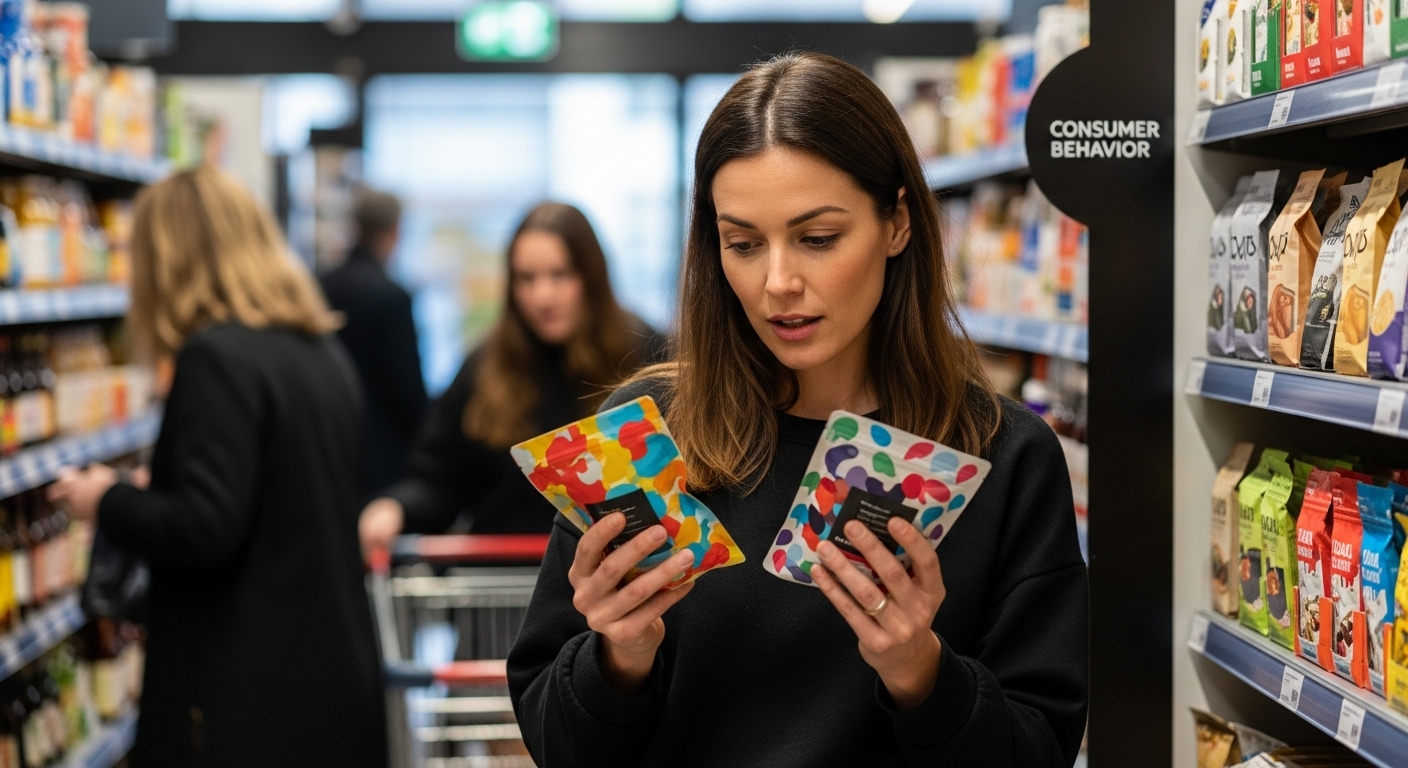 Texture, shape, material quality, and interactive elements contribute to a holistic sensory experience that shapes consumer expectations. Innovative packaging designers understand that each design element represents an opportunity to communicate brand narrative, build trust, and create memorable consumer interactions that transcend traditional marketing approaches.
Real-World Applications of Graphic Design for Packaging
Graphic design for packaging transcends theoretical concepts, manifesting in practical applications across diverse industries that demonstrate its transformative power. Strategic packaging design serves as a critical business tool that drives consumer engagement, brand recognition, and market differentiation through sophisticated visual communication techniques.
Industry-Specific Packaging Design Strategies
Different sectors leverage packaging graphic design uniquely to address specific market challenges and consumer expectations. These targeted approaches reveal the adaptability and precision of packaging design:
- Food and Beverage: Communicating freshness, nutrition, and brand heritage
- Pharmaceutical: Ensuring clarity, safety instructions, and professional credibility
- Cosmetics: Conveying luxury, efficacy, and brand personality
- Electronics: Highlighting innovation, technical specifications, and product sophistication
- Sustainable Products: Emphasizing environmental responsibility and ethical manufacturing
Explore color trends that shape packaging design and understand how strategic color selection influences consumer perceptions across industries.
Technological and Functional Innovations
According to Packaging World Research, contemporary packaging design integrates advanced technological capabilities that extend beyond traditional visual communication. Modern graphic designers now incorporate interactive elements, augmented reality features, and smart packaging technologies that transform product containers into dynamic communication platforms.
The practical applications of graphic design in packaging demonstrate a complex interplay between aesthetic appeal, functional requirements, and strategic marketing objectives.
To help readers quickly understand and compare how graphic design for packaging is applied across different industries, the following table summarizes industry-specific strategies and focus areas mentioned in the article.
| Industry | Packaging Design Focus | Key Objectives |
|---|---|---|
| Food and Beverage | Communicating freshness, nutrition, and brand heritage | Attract appetite, convey quality, promote trust |
| Pharmaceutical | Ensuring clarity, safety instructions, and professional credibility | Communicate safety, build trust, ensure compliance |
| Cosmetics | Conveying luxury, efficacy, and brand personality | Evoke premium feel, stand out, build desire |
| Electronics | Highlighting innovation, technical specifications, and product sophistication | Emphasize features, showcase innovation |
| Sustainable Products | Emphasizing environmental responsibility and ethical manufacturing | Show eco-friendliness, appeal to conscious consumers |
| Designers must balance visual creativity with practical constraints, creating solutions that protect products, communicate brand values, and engage consumers through innovative visual storytelling. This multidimensional approach positions packaging graphic design as a critical intersection of art, technology, and consumer psychology. |
Elevate Your Packaging Design With Precision Color Tools
Are you struggling to turn your creative packaging concepts into vibrant, consistent products that truly stand out? As explored in “Understanding Graphic Design for Packaging: A Deep Dive,” every color choice, design element, and finish directly impacts your brand’s identity and bottom line. Precise color matching and professional-grade references are essential to ensure your packaging delivers the right emotional impact and builds trust with consumers.
Unlock the full potential of your next packaging project today. Discover the most trusted color guides and swatches at Kolorguide.com for flawless color management in every design. Browse our collection of Pantone color guides and innovative graphic arts supplies to create packaging that commands attention and sparks loyalty. Take action now and be the brand that customers remember for its quality and color consistency. Shop with confidence and experience fast shipping, multiple payment options, and expert support for all your visual communication needs.
Frequently Asked Questions
What is the purpose of graphic design in packaging?
Graphic design in packaging serves to protect the product, communicate essential information, and create an emotional connection with consumers while effectively differentiating the product from competitors.
How does packaging design influence consumer behavior?
Packaging design influences consumer behavior by creating immediate emotional connections, signaling product quality, and triggering subconscious purchasing impulses through visually appealing elements like color and typography.
What are the key elements of effective packaging graphic design?
Key elements of effective packaging graphic design include color, typography, imagery, and structural layout, all meticulously selected to communicate brand identity, guide consumer attention, and create a strong visual hierarchy.
Why is color psychology important in packaging design?
Color psychology is crucial in packaging design because specific colors can evoke distinct emotional responses, influence consumer perceptions of product quality, and trigger purchasing behavior, making them essential tools in marketing strategies.

