
No products in the cart.
Return To Shop
What Is Digital Prepress? Your 2025 Guide for Printing & Industry
Digital prepress is changing the way printing gets done for good. People used to spend hours manually prepping files and double-checking color by eye. But now, preflight processes can cut production errors by up to 70% and save weeks of wasted time. You might think that means only big printing companies benefit, but even small brands and manufacturers are jumping ahead faster than ever just by mastering these digital steps.
Table of Contents
- Understanding What Is Digital Prepress
- Key Steps in the Digital Prepress Workflow
- Why Digital Prepress Matters for Modern Industries
- Top Digital Prepress Solutions for 2025
Quick Summary
| Takeaway | Explanation |
|---|---|
| Digital prepress streamlines printing processes | The transition to digital technology enhances efficiency and reduces production time in print production workflows. |
| Key steps include preflight and optimization | Critical processes like preflight checks ensure file integrity, while optimization ensures files are ready for production. |
| Color management is crucial for accuracy | Consistent color reproduction across various devices is vital for maintaining brand integrity and quality in print. |
| Invest in advanced automation for efficiency | Modern workflow automation tools improve real-time collaboration and error detection, enhancing overall prepress performance. |
| Future technologies will drive further innovations | Emerging tools, including AI and cloud solutions, will continue to transform digital prepress, increasing customization and precision in production. |
Understanding What Is Digital Prepress
Digital prepress represents the critical technological transformation in printing production, converting traditional graphic design and printing workflows into streamlined digital processes. At its core, digital prepress encompasses all the preparatory steps that occur between initial design creation and final printing, revolutionizing how visual content moves from concept to physical reproduction.
The Digital Evolution of Printing Preparation
Before digital technologies emerged, prepress involved complex manual processes like paste-up, typesetting, and color separation. Research from the printing technology workforce studies reveals a dramatic shift toward computer-based workflows that dramatically reduce production time and enhance precision.
Today, digital prepress integrates sophisticated software and hardware solutions that transform graphic design files into print-ready formats. Graphic designers and print professionals use specialized software to prepare files, ensuring color accuracy, image resolution, and layout compatibility across various printing platforms. These digital tools enable precise color management, file optimization, and seamless communication between design and production teams.
Key Components of Digital Prepress Workflow
The digital prepress workflow involves multiple critical stages that ensure print quality and efficiency. According to Merriam-Webster’s technical definition, prepress includes several interconnected processes:
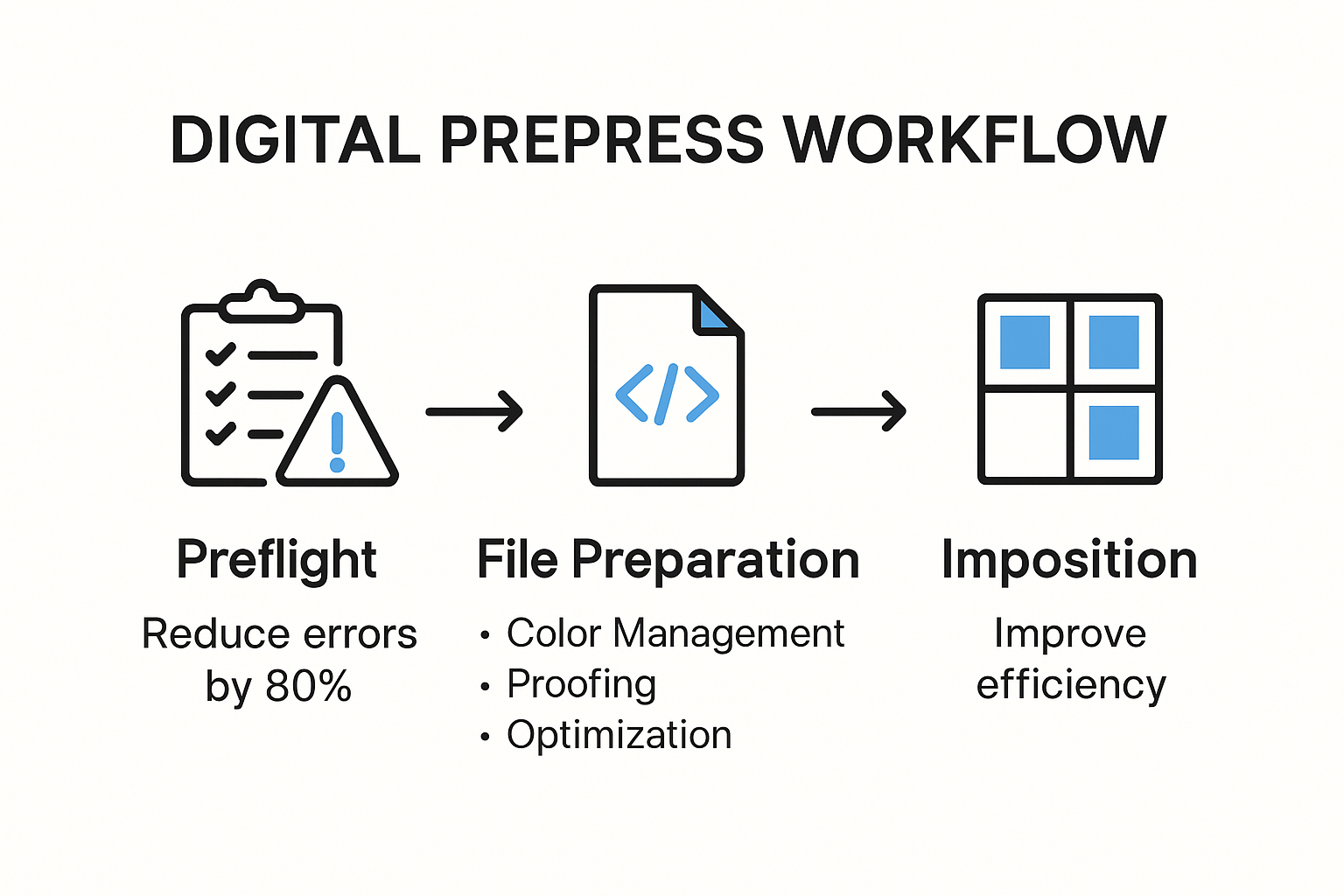
- File Preparation: Converting design files into standardized formats compatible with printing equipment
- Color Management: Calibrating colors to ensure consistent reproduction across different printing technologies
- Proofing: Creating digital and physical proofs to validate design and print specifications
- Imposition: Arranging pages and images strategically to optimize printing efficiency
Modern digital prepress solutions leverage advanced software like Adobe Creative Suite, specialized RIP (Raster Image Processing) technologies, and color management systems. These tools enable graphic designers and print professionals to achieve unprecedented levels of precision and repeatability in print production.
The transformation from traditional to digital prepress represents more than a technological upgrade. It signifies a fundamental reimagining of how visual communication moves from creative concept to physical representation, enabling faster, more accurate, and more cost-effective printing processes across industries. Learn more about digital printing technologies that complement these advanced prepress workflows.
Key Steps in the Digital Prepress Workflow
The digital prepress workflow represents a sophisticated sequence of technological processes that transform raw design concepts into print-ready files. Each step requires precision, specialized software, and expert knowledge to ensure optimal print quality and efficiency.
Preflight and File Preparation
According to GlobalVision’s technical glossary, preflight is a critical initial stage where digital files are meticulously examined for potential printing issues. Professional graphic designers and print technicians use advanced software tools to verify file integrity, checking for problems like:
- Font Compatibility: Ensuring all typefaces are embedded or converted
- Image Resolution: Confirming high-quality graphics suitable for printing
- Color Mode Verification: Checking color spaces match printing requirements
- File Format Validation: Confirming files are in industry-standard formats
Research from Wikipedia’s printing documentation indicates that comprehensive preflight processes can reduce production errors by up to 70%, significantly minimizing reprinting costs and time delays.
Color Management and Proofing
Color management represents another crucial phase in the digital prepress workflow. This complex process ensures consistent color reproduction across different printing devices and substrates. Professional color management involves calibrating monitors, creating color profiles, and utilizing specialized software to maintain color accuracy.
Digital proofing allows designers and clients to preview final output before actual printing. Wikipedia’s prepress proofing documentation explains that modern digital proofing techniques include:
- Soft Proofing: Digital screen previews using color-managed displays
- Hard Proofing: Physical test prints that simulate final product
- Contract Proofing: Legally binding proofs representing final print specifications
File Optimization and Imposition
The final stages of digital prepress involve file optimization and imposition. File optimization includes compressing images, adjusting resolution, and preparing files for specific printing technologies. Imposition involves strategically arranging pages to maximize printing efficiency, reducing waste and production costs.
Advanced RIP (Raster Image Processing) technologies play a crucial role in converting digital files into printer-readable formats. These sophisticated systems translate complex design files into precise instructions for printing equipment. Learn more about advanced color control techniques that complement these digital prepress processes.
The digital prepress workflow continues to evolve, integrating artificial intelligence and machine learning to further streamline production processes. By embracing these technological advancements, printing professionals can achieve unprecedented levels of accuracy, efficiency, and quality in visual reproduction.
Below is a table summarizing the key steps and tasks involved in the digital prepress workflow for easier reference.
| Step | Key Tasks |
|---|---|
| Preflight | Check font compatibility, image resolution, color mode, and file format integrity |
| File Preparation | Convert design files into print-ready, standardized formats |
| Color Management | Calibrate colors, create color profiles, ensure consistency across devices |
| Proofing | Create digital (soft), physical (hard), and contract proofs for validation |
| File Optimization | Compress images, adjust resolution, prepare for printing technology requirements |
| Imposition | Arrange pages/images for optimal printing efficiency and waste reduction |
| Raster Image Processing (RIP) | Convert files to printer-ready instructions, manage precise rendering |
Why Digital Prepress Matters for Modern Industries
Digital prepress has transformed from a technical back-end process to a critical strategic advantage across multiple industries. The evolution of digital prepress technologies enables businesses to achieve unprecedented levels of precision, efficiency, and quality in visual communication and product development.
Enhancing Manufacturing and Production Efficiency
According to research by Specialist Printing experts, modern digital prepress is fundamental in driving manufacturing innovation. By leveraging advanced automation and precise digital workflows, industries can significantly reduce production errors, minimize waste, and accelerate time-to-market.
Manufacturing sectors like packaging, textiles, electronics, and automotive rely heavily on digital prepress to ensure design accuracy and consistency. These technologies enable companies to:
- Streamline Design Processes: Rapidly translate complex design concepts into production-ready files
- Reduce Material Waste: Minimize errors through precise digital proofing
- Enhance Color Accuracy: Maintain consistent brand representation across different production platforms
- Accelerate Production Cycles: Reduce manual intervention and processing time
Cross-Industry Impact and Strategic Advantages
The Printery’s technical documentation highlights that digital prepress serves as a critical bridge between creative design and industrial production. This technological interface impacts diverse sectors beyond traditional printing, including:
- Packaging design and manufacturing
- Textile and apparel production
- Electronics and semiconductor industries
- Automotive and aerospace component design
- Medical device and pharmaceutical labeling
By integrating sophisticated digital prepress workflows, these industries can achieve higher levels of precision, reduce production costs, and maintain consistent quality standards across global manufacturing environments.
Future of Digital Prepress Technologies
Emerging automation tools and cloud technologies are revolutionizing digital prepress capabilities. These advanced solutions enable real-time collaboration, instant file validation, and seamless integration between design teams and production facilities.
The future of digital prepress lies in intelligent automation, machine learning algorithms, and predictive quality control mechanisms. Learn more about digital transformation in industrial printing that are driving these technological innovations.
As industries continue to demand higher levels of customization, speed, and precision, digital prepress will remain a critical technological backbone. Companies that invest in advanced digital prepress technologies position themselves at the forefront of innovation, capable of delivering superior visual communication and manufacturing solutions across global markets.
Top Digital Prepress Solutions for 2025
The digital prepress landscape in 2025 is characterized by innovative technologies that transform traditional printing workflows through advanced software, intelligent automation, and integrated color management solutions. These cutting-edge tools are designed to enhance precision, reduce production time, and deliver exceptional print quality across diverse industries.
Advanced Workflow Automation Platforms
According to the 2024 Printing United Expo insights, workflow automation has become a critical component of modern prepress operations. Professional-grade platforms now offer comprehensive solutions that streamline file preparation, proofing, and production processes.
Top workflow automation solutions in 2025 include:
- Integrated Project Management: Real-time collaboration and tracking systems
- Automated File Validation: Instant error detection and correction mechanisms
- Cloud-Based Collaboration: Seamless communication between design and production teams
- Predictive Performance Analytics: Advanced reporting and optimization tools
The following table provides a comparison of key features found in leading workflow automation and color management solutions discussed in this section.
| Solution Type | Core Features | Benefits |
|---|---|---|
| Workflow Automation Platform | Project management, file validation, cloud collaboration, analytics | Streamlines workflow, reduces errors, improves efficiency |
| Color Management Technology | Spectral profiling, cross-platform consistency, AI correction, digital proofing | Ensures color accuracy, enhances brand consistency |
| Emerging Educational Software | Intuitive UI, compatibility, learning modules, adaptability | Improves adoption, upskills workforce, integrates with evolving tech |
Color Management and Proofing Technologies
Color accuracy remains paramount in digital prepress, with manufacturers developing increasingly sophisticated color management solutions. The Graphic Education Foundation’s 2025 research highlights the growing importance of precise color reproduction across various printing technologies.
Key color management innovations include:
- Spectral Color Profiling: Advanced color matching technologies
- Cross-Platform Color Consistency: Uniform color reproduction across different devices
- Artificial Intelligence Color Correction: Machine learning-powered color optimization
- High-Fidelity Digital Proofing: Hyperrealistic preview capabilities
Emerging Software and Educational Integration

The digital prepress ecosystem in 2025 is increasingly focused on integrating educational resources with technological solutions. The Print and Graphics Scholarship Foundation’s initiatives underscore the industry’s commitment to developing skilled professionals who can leverage these advanced technologies.
Emerging software solutions are characterized by:
- Intuitive User Interfaces: Simplified complex workflow management
- Cross-Platform Compatibility: Seamless integration with various design and production systems
- Continuous Learning Modules: Built-in training and skill development resources
- Adaptive Technology Platforms: Flexible solutions that evolve with industry requirements
Explore the latest trends in digital printing technologies that are reshaping the prepress landscape.
As we move further into 2025, digital prepress solutions continue to break traditional boundaries. These technologies are not merely tools but strategic assets that enable businesses to achieve unprecedented levels of efficiency, creativity, and quality in visual communication and print production. The convergence of artificial intelligence, cloud computing, and advanced color management is creating a new paradigm in how we conceptualize and execute print-related workflows.
Frequently Asked Questions
What is digital prepress?
Digital prepress refers to the technological processes involved in preparing graphic design files for printing. It streamlines workflows by incorporating software and tools that enhance color accuracy, file optimization, and proofing, ultimately improving print quality and efficiency.
How does preflight improve the printing process?
Preflight is a critical check that ensures all design files are ready for printing. By identifying issues like font compatibility, image resolution, and color mode before production, preflight can reduce errors by up to 70%, saving both time and costs associated with reprinting.
Why is color management important in digital prepress?
Color management is essential in digital prepress to ensure consistent color reproduction across different printing devices and substrates. It involves calibrating colors and creating profiles to maintain brand integrity and quality in printed materials.
What are the benefits of workflow automation in digital prepress?
Workflow automation in digital prepress enhances efficiency by streamlining file preparation, error detection, and communication between design and production teams. This leads to reduced production time, minimized errors, and a more collaborative working environment.
Transform Your Digital Prepress Workflow in 2025
Struggling with inconsistent color or costly mistakes in your printing process? The article showed how missed preflight checks and poor file optimization can lead to production delays, frustrated clients, and wasted materials. You deserve tools that remove the guesswork and set your team up for success—just like the next wave of digital prepress automation described in the guide.
Why not streamline your design-to-print journey with Kolorguide Solutions? Equip your business with advanced products that support professional color management and robust file preparation. When you visit Kolorguide, you get expert-driven tools to help you achieve true color consistency and eliminate repeat errors. Start now and take control of your digital prepress results before your next project goes to print.
Recommended

Pantone Color Bridge Set | Coated & Uncoated GP6102B
Original price was: $436.00.$428.00Current price is: $428.00.
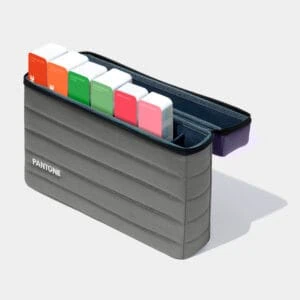

Pantone Portable Guide Studio GPG304B By Kolorguide
Original price was: $1,079.00.$944.99Current price is: $944.99.



About author
Related posts

Explore digital printing on glass, its significance, applications, and how it works for industries like marketing, architecture, and design. Continue reading

Discover the key differences in digital vs offset printing for designers, printers, and manufacturers. Learn which method best suits your industry needs. Continue reading