Graphic design is packed with terms that sound technical and mysterious, and if you work with printing or design, knowing the right words can save hours of confusion. Shocking fact. Nearly 40 percent of print project delays happen because key terminology gets misunderstood or ignored. Most people think mastering these words is just for designers or techies, but the real surprise is how much smoother every project runs for anyone who learns this vocabulary—from faster feedback cycles to fewer costly mistakes.
Table of Contents
- Essential Graphic Design Terminology Explained
- Industry-Specific Terms For Printing And Packaging
- Key Terminology For Manufacturing And Technology
- Tips To Communicate Effectively With Designers
Quick Summary
| Takeaway | Explanation |
|---|---|
| Understand key graphic design terms | Familiarize yourself with essential terminology to enhance communication in design and printing fields. |
| Master technical specifications | Knowing specifics like resolution, color models, and file formats is essential for quality output in graphic projects. |
| Effectively communicate with designers | Use clear project objectives and visual references to convey your ideas and expectations accurately. |
| Provide constructive feedback | Frame your feedback with details rather than opinions to foster positive collaboration and improvement on design work. |
| Learn industry-specific vocabulary | Familiarity with terms related to printing and packaging can streamline workflows and reduce misunderstandings. |
Essential Graphic Design Terminology Explained
Graphic design terminology forms the fundamental language of visual communication, bridging creative concepts with technical execution across printing and design industries. Understanding these terms is crucial for professionals who want to communicate effectively and produce high-quality visual materials.
Core Printing and Design Vocabulary
The world of graphic design encompasses a complex array of specialized terms that define how visual elements are created, processed, and reproduced. According to the Occupational Safety and Health Administration, key terminology helps designers and print professionals communicate precise technical specifications and workflow requirements.
Some fundamental graphic design terminology includes:
- Substrate: The base material on which graphics are printed, ranging from paper and fabric to metal and plastic
- Preflighting: The critical process of reviewing digital files before printing to ensure all elements are correctly formatted and present
- Color Space: The mathematical model used to represent color information in digital and print environments
Here is a summary table highlighting core graphic design terms and their definitions to help you quickly reference key concepts.
| Term | Definition |
|---|---|
| Substrate | The base material on which graphics are printed (e.g., paper, fabric, metal, plastic) |
| Preflighting | Reviewing digital files before printing to ensure all elements are correct |
| Color Space | Mathematical model to represent color information in digital and print environments |
| ICC Profile | Standardized method for defining color characteristics of input and output devices |
| Gamut | Complete range of colors accurately represented in a color system |
| Kerning | Adjusting spacing between character pairs to improve visual aesthetics |
Technical Specifications and File Preparation
Professional graphic designers must master technical terminology related to file preparation and color management. Research from printing production fundamentals highlights critical terms such as:
- ICC Profile: A standardized method for defining color characteristics of input and output devices
- Gamut: The complete range of colors that can be accurately represented in a particular color system
- Kerning: The process of adjusting spacing between specific character pairs to improve visual aesthetics
Additionally, designers should understand technical specifications like resolution, file formats, and color models. These elements determine the quality and reproducibility of visual designs across different mediums.
Professional Communication and Industry Standards
Mastering graphic design terminology goes beyond technical knowledge. It represents a professional language that enables precise communication among designers, printers, clients, and manufacturers. Our comprehensive guide on graphic design tools can help professionals expand their technical vocabulary and understand industry-standard communication methods.
Whether you are working in packaging, digital media, print production, or industrial design, a robust understanding of graphic design terminology will enhance your professional capabilities and ensure more accurate, efficient project execution.
Industry-Specific Terms for Printing and Packaging
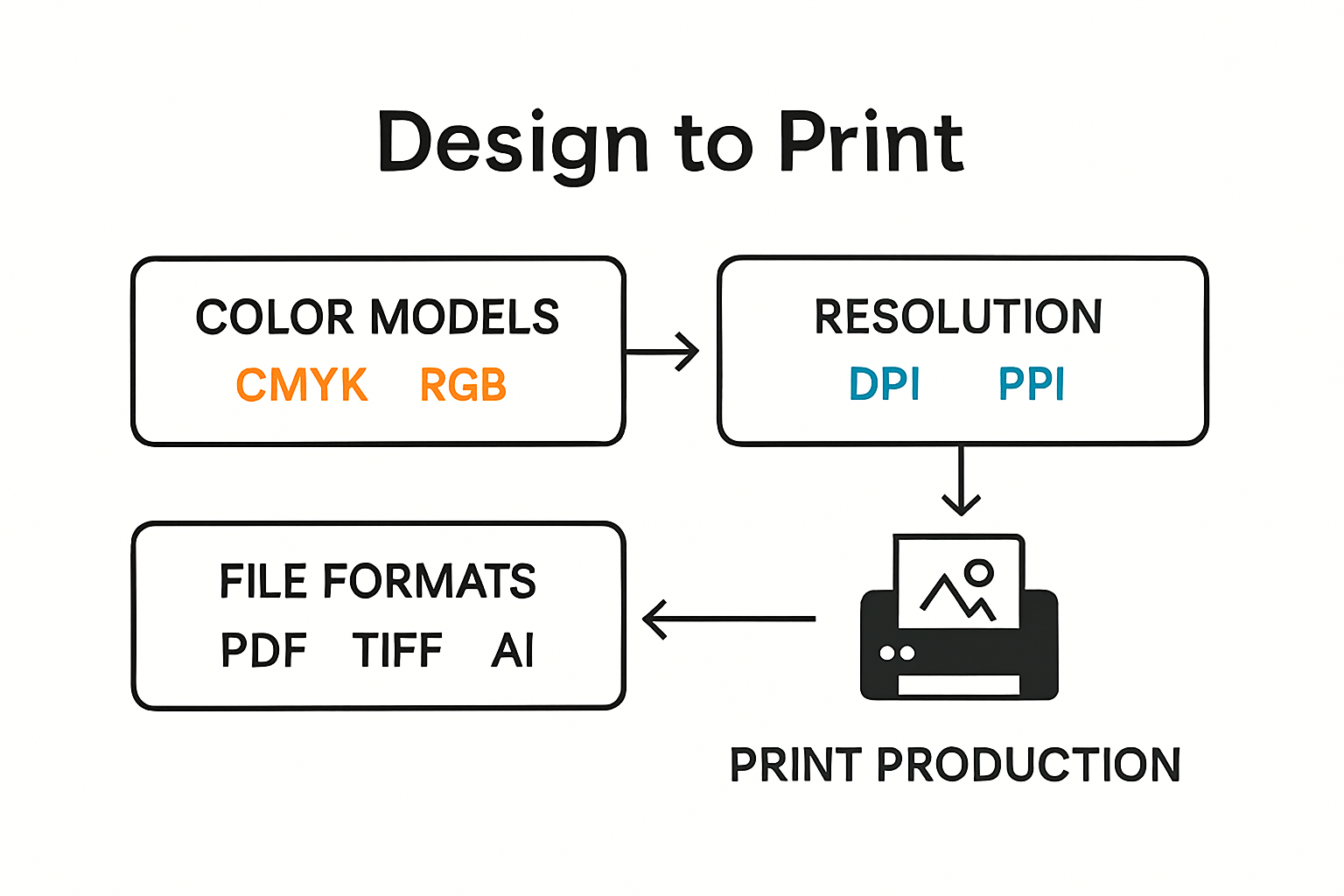
The printing and packaging industries rely on a complex vocabulary that enables precise communication and technical accuracy across multiple production stages. Understanding these specialized terms is crucial for professionals who want to navigate the intricate workflows of design, production, and final product delivery.
Printing Process Terminology
Printing technologies involve numerous specialized terms that describe technical processes and equipment specifications. According to the Washington State Department of Enterprise Services, key terminology helps professionals understand intricate production requirements:
- Press Check: The final inspection of printed materials on the production press to ensure color accuracy and quality
- Process Printing: A color reproduction method using cyan, magenta, yellow, and black (CMYK) ink layers
- Register Marks: Small alignment targets printed on production sheets to ensure precise color and image placement
- Screen Printing: A technique where ink is transferred through a mesh screen onto various substrate materials
Below is a table summarizing key printing and packaging terms along with concise definitions.
| Term | Definition |
|---|---|
| Press Check | Final inspection of printed materials on the press for color accuracy and quality |
| Process Printing | Color reproduction using CMYK ink layers |
| Register Marks | Alignment targets on sheets for precise color and image placement |
| Screen Printing | Printing method using a mesh screen to transfer ink onto a substrate |
| Bleed | Extra area extending beyond trim to prevent white edges after cutting |
| Crop Marks | Lines showing where to trim a document during production |
| DPI | Dots Per Inch; a measurement of image resolution affecting print quality |
Packaging Design and Production Vocabulary
Packaging design requires a nuanced understanding of technical and visual terminology. McGill University’s Graphic Design Glossary highlights critical terms that bridge design and manufacturing processes:
- Bleed: The extra graphic area extending beyond the final trim size to prevent white edges after cutting
- Crop Marks: Printed lines indicating where a document should be trimmed during production
- DPI (Dots Per Inch): A measurement of image resolution that determines print quality and clarity
Technical Specifications and File Preparation
Advanced graphic design professionals must comprehend technical specifications that ensure successful print production. Our comprehensive guide on packaging innovations can help designers understand the evolving landscape of print and packaging technologies.
Additional crucial terms include binding methods like saddle stitch and thermal binding, color management systems, and file preparation techniques. Understanding these terms enables seamless communication between designers, printers, and clients, reducing errors and improving overall production efficiency.
Mastering industry-specific terminology is not just about learning definitions. It represents a professional language that transforms complex technical concepts into actionable production strategies across printing, packaging, and design industries.
Key Terminology for Manufacturing and Technology
Manufacturing and technology sectors demand precise communication through specialized terminology that bridges complex technical processes with practical implementation. Understanding these terms is essential for professionals working across printing, design, and industrial production environments.
Manufacturing Process Terminology
The manufacturing landscape encompasses a wide range of specialized technical vocabulary that enables precise communication and operational efficiency. According to the Occupational Safety and Health Administration, key manufacturing terms provide critical insights into production methodologies:
- Doctor Blade: A precisely engineered metal or plastic blade used in printing and coating processes to control ink or coating thickness
- Flexography: A high-speed rotary printing technique using flexible relief plates, commonly used in packaging and label production
- Raster Image Processing (RIP): A critical technology that translates digital graphic files into printable format for various manufacturing equipment
Technology and Digital Production Terms
Digital technologies have revolutionized manufacturing and design processes, introducing a new vocabulary that bridges creative and technical domains. Research from print production fundamentals highlights critical technological terms:
- Gamut: The complete range of colors that can be reproduced by a specific device or color system
- Kerning: The process of adjusting spacing between specific characters to improve visual precision and aesthetic quality
- Color Management System: A sophisticated technology that ensures consistent color reproduction across different devices and printing platforms
Advanced Manufacturing Communication
Professionals in manufacturing and technology must develop a comprehensive understanding of terminology that supports complex production workflows. Our comprehensive guide on industrial design technologies provides additional insights into the evolving language of modern manufacturing.
Additional critical terms include binding techniques like saddle stitch and thermal binding, advanced color processing methods, and digital file preparation protocols. These terms represent more than mere definitions they are the fundamental building blocks of communication in highly specialized industrial environments.
Mastering manufacturing and technology terminology transforms technical knowledge into actionable strategies, enabling professionals to navigate complex production landscapes with precision and confidence. As technologies continue to evolve, so too will the specialized language that describes and drives industrial innovation.
Tips to Communicate Effectively with Designers
Effective communication with graphic designers is a critical skill that can transform project outcomes and ensure successful visual collaborations. Understanding how to articulate design requirements, provide constructive feedback, and establish clear expectations are fundamental to achieving outstanding creative results.
Establishing Clear Project Objectives
Successful design projects begin with precise communication of project goals and expectations. According to research from Facets Journal, effective visual communication hinges on clients’ ability to articulate their vision comprehensively. When engaging with designers, consider these strategic approaches:
- Define Specific Goals: Clearly outline the project’s purpose, target audience, and desired emotional or functional response
- Provide Comprehensive Context: Share background information, brand guidelines, and any existing visual materials that can inform the design process
- Set Realistic Expectations: Discuss project timelines, budget constraints, and potential iterations openly and transparently
The following table summarizes effective strategies for communicating with designers at different stages of a project.
| Communication Stage | Strategy | Benefit |
|---|---|---|
| Project Planning | Define specific goals | Aligns expectations and objectives |
| Initial Collaboration | Provide comprehensive context | Informs design with necessary background |
| Ongoing Collaboration | Use visual references and active listening | Fosters shared understanding and trust |
| Feedback & Iteration | Give specific, constructive feedback | Drives positive project improvement |
| Closing the Project | Set realistic expectations on timelines and budgets | Prevents last-minute surprises and improves workflow |
Mastering Design Communication Techniques
Communicating with designers requires a nuanced approach that balances technical specificity with creative flexibility. Graphic design fundamentals research suggests developing a collaborative communication strategy that respects both creative and technical perspectives:
- Use Visual References: Whenever possible, share example images, mood boards, or design inspirations that illustrate your conceptual thinking
- Learn Basic Design Terminology: Familiarize yourself with fundamental design concepts to facilitate more precise and meaningful conversations
- Practice Active Listening: Allow designers to share their professional insights and creative recommendations
Navigating Feedback and Collaboration
Constructive feedback is the cornerstone of successful design partnerships. Our guide on graphic design tools can help you understand the nuanced communication strategies that professional designers appreciate.
When providing design feedback, focus on being specific, constructive, and solution-oriented. Avoid subjective statements like “I don’t like it” and instead offer detailed observations such as “The color palette feels too muted for our brand’s energetic identity” or “Could we explore typography that feels more modern and approachable?”
Remember that designers are creative professionals who bring specialized expertise to visual problem-solving. Approach collaboration with respect, openness, and a genuine desire to understand their creative process. By establishing clear communication channels, providing comprehensive context, and offering thoughtful feedback, you can create a productive partnership that yields exceptional design outcomes.
Frequently Asked Questions
What is preflighting in graphic design?
Preflighting is the process of reviewing digital files before printing to ensure that all elements, such as fonts and images, are correctly formatted and present for successful printing.
What does the term ‘gamut’ mean in graphic design?
Gamut refers to the complete range of colors that can be accurately represented by a specific color system or device, essential for maintaining color consistency in printing.
Why is understanding color space important for graphic design?
Understanding color space is crucial as it defines how colors are represented in digital and print environments, affecting the quality and accuracy of the final visual output.
What is the significance of communication in graphic design projects?
Effective communication is vital in graphic design projects as it ensures that designers and clients have aligned expectations, reducing misunderstandings and leading to smoother project execution.
Ready to Turn Design Knowledge Into Printing Success?
You now understand how critical mastering terminology like substrate, preflighting, and color space is for keeping your print projects on track and error-free. But knowledge alone is not enough. If you are still wasting hours clarifying specs, struggling to communicate with designers, or experiencing costly production delays, you are not alone. Many professionals face these same frustrations, which slow progress and impact quality.
Take the next step toward flawless print outcomes and effortless collaboration. At KolorGuide, you will discover innovative solutions designed specifically for the printing, graphic design, and visual arts industries. Shop the latest printing tools and supplies or dig deeper into guides like 21 indispensable graphic design tools to make your workflow smoother and faster. Visit KolorGuide now and put your new vocabulary into action for real results. Your next mistake-free project starts today.
Recommended
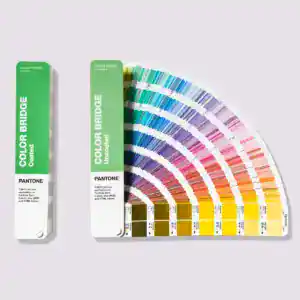
Pantone Color Bridge Set | Coated & Uncoated GP6102B
Original price was: $436.00.$428.00Current price is: $428.00.