
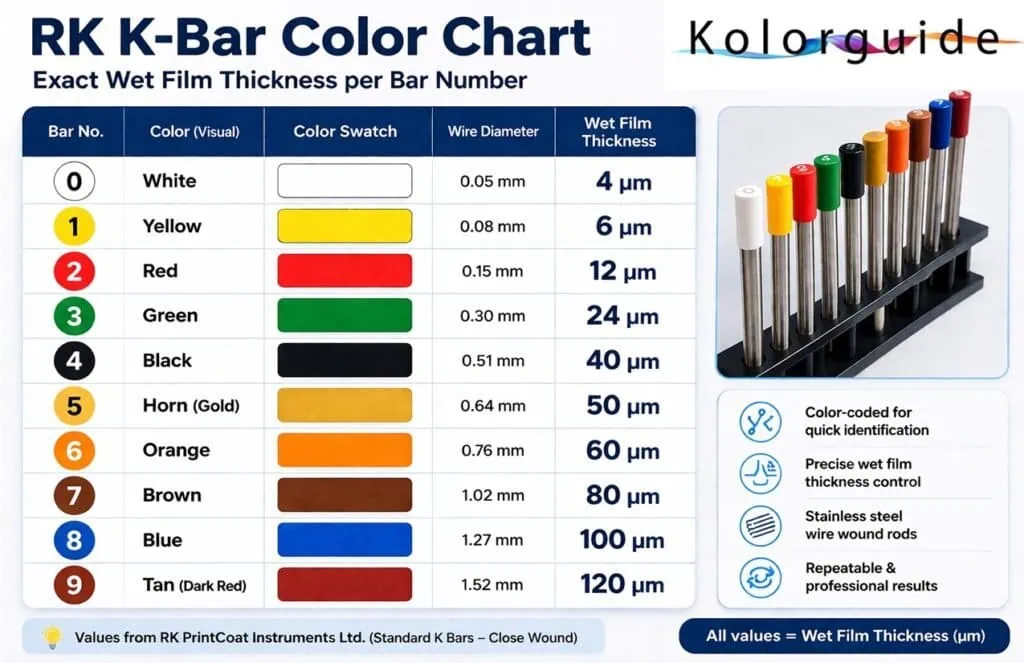
K Hand Coater Bars are precision tools designed to apply uniform coatings in laboratory testing, printing, and surface evaluation processes. Because of their fine wire-wound construction, they are also delicate instruments that require proper handling and maintenance.
Understanding how to protect and maintain your K bars is essential not only for extending their lifespan, but also for ensuring accurate and consistent coating results.
Why K Hand Coater Bars Get Damaged
Although K bars are built for precision, several common factors can lead to premature wear or damage:
- Excessive pressure during application – can deform the wire and alter coating thickness
- Improper cleaning methods – aggressive solvents or abrasive materials can damage the wire surface
- Physical impact – dropping or mishandling the bar can cause misalignment
- Contamination buildup – dried coatings or residues affect performance
Even minor damage can significantly impact coating uniformity.
Best Practices to Protect Your K Bars
To maintain accuracy and extend the life of your K Hand Coater Bars, follow these best practices:
- Clean immediately after use using appropriate solvents for the coating material
- Use soft, non-abrasive cloths or wipes to avoid scratching the wire
- Avoid touching the wire surface directly, as oils and debris can affect results
- Apply consistent, moderate pressure during coating applications
- Use the bar only on clean, flat surfaces to prevent uneven wear
Proper handling is the first step toward long-term performance.
Common Mistakes That Reduce Accuracy
Many users unknowingly reduce the lifespan and accuracy of their K bars. Avoid these common mistakes:
- Using abrasive brushes or pads during cleaning
- Allowing coatings to dry on the bar before cleaning
- Storing bars loosely where they can come into contact with other tools
- Reusing a bar without checking for visible defects or irregularities
These small habits can lead to inconsistent coating results over time.
How to Know When Your K Bar Needs Replacement
Even with proper care, K Hand Coater Bars are not permanent tools. Over time, wear and damage will affect their performance.
Signs that your K bar may need replacement include:
- Inconsistent coating thickness across the substrate
- Visible deformation or irregularity in the wire
- Streaking or uneven application patterns
- Unexpected variations in coating results
If accuracy is critical in your process, replacing a worn or damaged bar is essential.
Storage Tips for Long-Term Protection
Proper storage plays a key role in preserving your K bars:
- Store in a clean, dry environment
- Keep bars in protective cases or holders
- Avoid stacking or placing heavy objects on top of them
- Maintain stable temperature and humidity conditions
Good storage practices can significantly extend usable life.
Final Thoughts
K Hand Coater Bars are precision instruments, not permanent tools. With proper care, handling, and storage, their lifespan can be extended—but eventual replacement is part of maintaining accurate coating performance.
If you begin to notice inconsistencies in your coating results, it may not be your process—it may be your tool.
For reliable and consistent results, always ensure your K bar is in optimal condition.
