Introduction
Adhesion problems on aluminum foil and metallized films are often approached using the same logic applied to plastic substrates. In practice, this is a critical mistake.
While corona treatment is highly effective on polymer films, foil-based substrates behave fundamentally differently. Electrical conductivity, oxide layers, and surface contamination introduce failure mechanisms that corona treatment alone cannot solve.
This article explains why adhesion problems occur on aluminum foil and metallized films, how these problems differ from plastic substrates, and how to identify the real root causes before blaming inks, coatings, or adhesives.
Why Foil Is Not “Just Another Substrate”
Plastic films rely on surface oxidation to increase surface energy. Aluminum foil does not.
Key differences:
- Aluminum is electrically conductive
- A natural oxide layer forms instantly on the surface
- Adhesion occurs to the oxide layer, not to bare aluminum
- Corona energy behaves unpredictably on conductive surfaces
Because of these factors, surface energy numbers alone rarely predict adhesion success on foil.
1. Aluminum Oxide Layers and Adhesion Instability
Fresh aluminum reacts immediately with oxygen, forming a thin aluminum oxide layer. This layer:
- Is chemically different from aluminum
- Varies in thickness across the web
- Changes over time and with humidity
Adhesion depends on bonding to this oxide layer. If the oxide is:
- Too thin → weak anchorage
- Too thick or contaminated → poor wetting
Corona treatment does not remove or control oxide formation. It may even destabilize it.
2. Electrical Conductivity Limits Corona Effectiveness
On plastic films, corona discharge builds a controlled electrical field.
On aluminum foil:
- Electrical charge dissipates instantly
- Corona discharge becomes unstable or ineffective
- Energy does not localize at the surface
The result is:
- Minimal surface activation
- Inconsistent treatment
- False confidence based on machine settings rather than surface chemistry
Increasing power rarely helps and often creates arcing or equipment stress.
3. Rolling Oils and Invisible Surface Contamination
Aluminum foil is manufactured using rolling oils and lubricants.
Even after cleaning, microscopic oil residues often remain.
These residues:
- Are invisible to the naked eye
- Block wetting and adhesion
- Cannot be removed by corona treatment
In many cases, adhesion initially passes but fails after curing, aging, or flexing—leading to misdiagnosis of adhesive performance.
4. Metallized Films: A Special Case of Foil Failure
Metallized films are not solid foil. They consist of:
- A very thin aluminum layer deposited on plastic
- Discontinuous metal coverage
- Pinholes and thickness variation
Problems arise when:
- Corona damages or oxidizes the metallized layer
- Treatment energy penetrates unevenly
- Adhesion varies across the web
These films often show excellent dyne levels but poor real adhesion, creating confusion during troubleshooting.
5. Delamination in Foil-Based Laminated Structures
Foil laminates frequently pass initial adhesion tests but fail later due to:
- Poor bonding to oxide layers
- Chemical incompatibility with adhesives
- Stress at metal–polymer interfaces
Because failure occurs after curing or aging, the root cause is often blamed on:
- Adhesive formulation
- Cure conditions
- Lamination pressure
In reality, the surface chemistry was never suitable for adhesion.
6. When Corona Treatment Is the Wrong Tool
There are situations where corona treatment adds little or no value for foil:
- Heavy rolling oil contamination
- Thick or unstable oxide layers
- High-barrier foil structures
- Critical adhesion applications (medical, pharma, retort packaging)
In these cases, alternatives such as:
- Chemical priming
- Plasma treatment
- Specialized adhesive systems
may be required.
7. How to Evaluate Adhesion on Foil Correctly
Standard surface energy testing has limitations on foil.
Better evaluation methods include:
- Peel and bond strength testing
- Controlled lamination trials
- Aging and humidity exposure tests
- Documentation of foil processing history
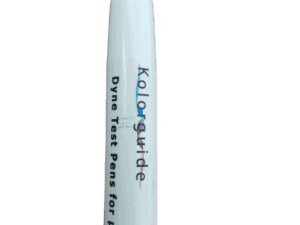
Dyne testing can be used as a screening tool, but it should never be the sole acceptance criterion for foil adhesion.
Key Takeaway
Adhesion problems on aluminum foil and metallized films are rarely caused by insufficient corona treatment.
They are usually driven by:
- Oxide layer behavior
- Electrical conductivity
- Surface contamination
- Structural differences between foil and plastic
Treating foil like plastic leads to repeated failure. Understanding foil-specific surface chemistry is the only reliable path to consistent adhesion.
Related Reading
- 5 Signs Your Corona Treatment Isn’t Working (And How to Test It)
- Can You Over-Treat Plastic with Corona? Signs, Risks, and Safe Limits
- What Happens When Corona Treatment Damages the Substrate?